Weight & Metabolic
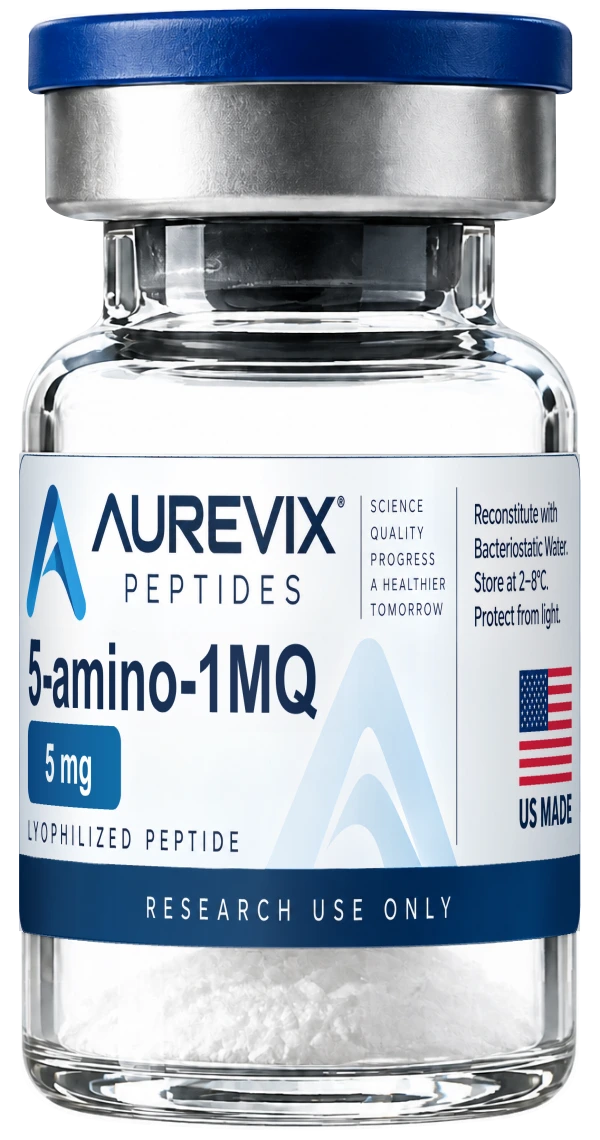
5-amino-1MQ
Made in the USA
An NNMT inhibitor for research into cellular energy expenditure, fat metabolism, insulin sensitivity and cognitive support.
From $400
View product
 Made in the USA
Browse the complete portfolio, pricing and research focus. Open any product to review its presentations and request options.
An NNMT inhibitor for research into cellular energy expenditure, fat metabolism, insulin sensitivity and cognitive support.
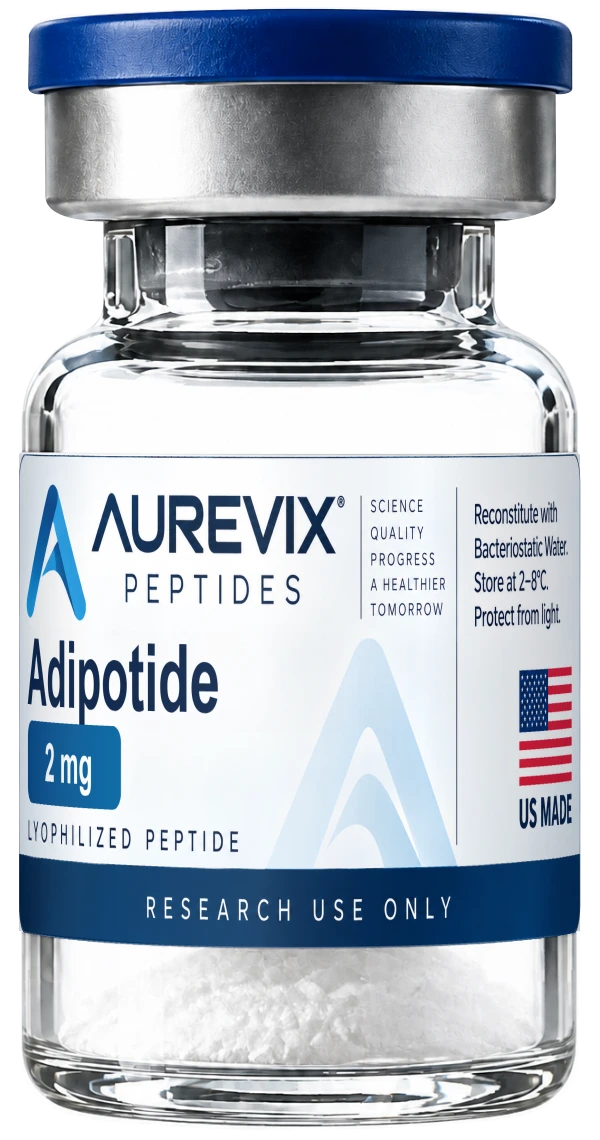
Adipotide is a synthetic peptide-based compound designed to recognize prohibitin on blood vessels associated with white adipose tissue. It combines a targeting sequence with a cell-death-inducing sequence.
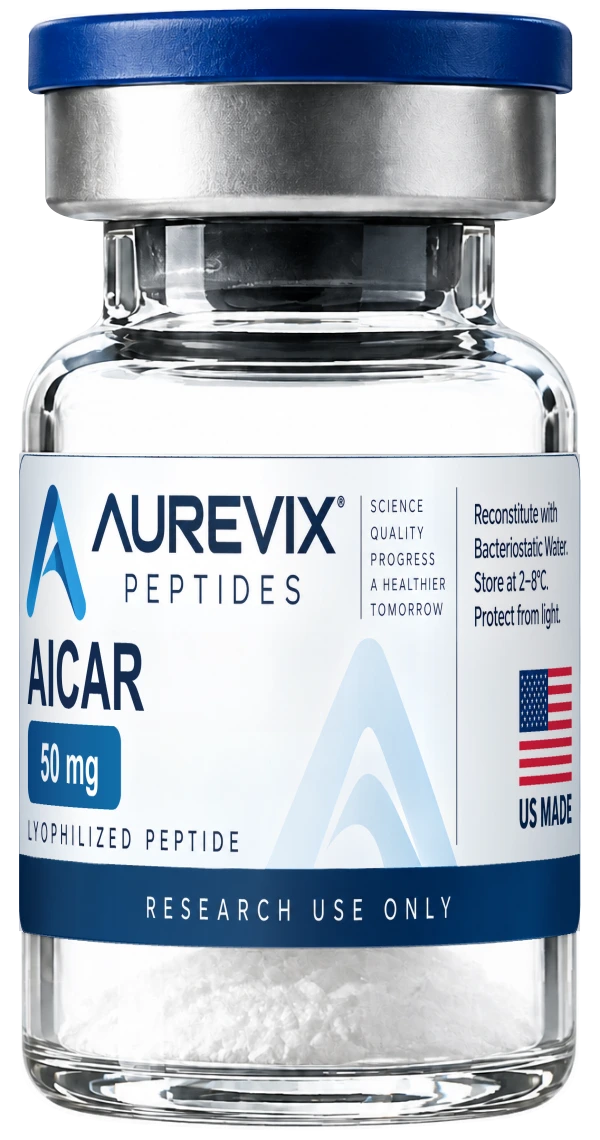
AICAR, also called AICA riboside, is a small-molecule research compound used to investigate cellular energy sensing. Inside cells it is converted to ZMP, an AMP-like molecule that can activate AMPK.
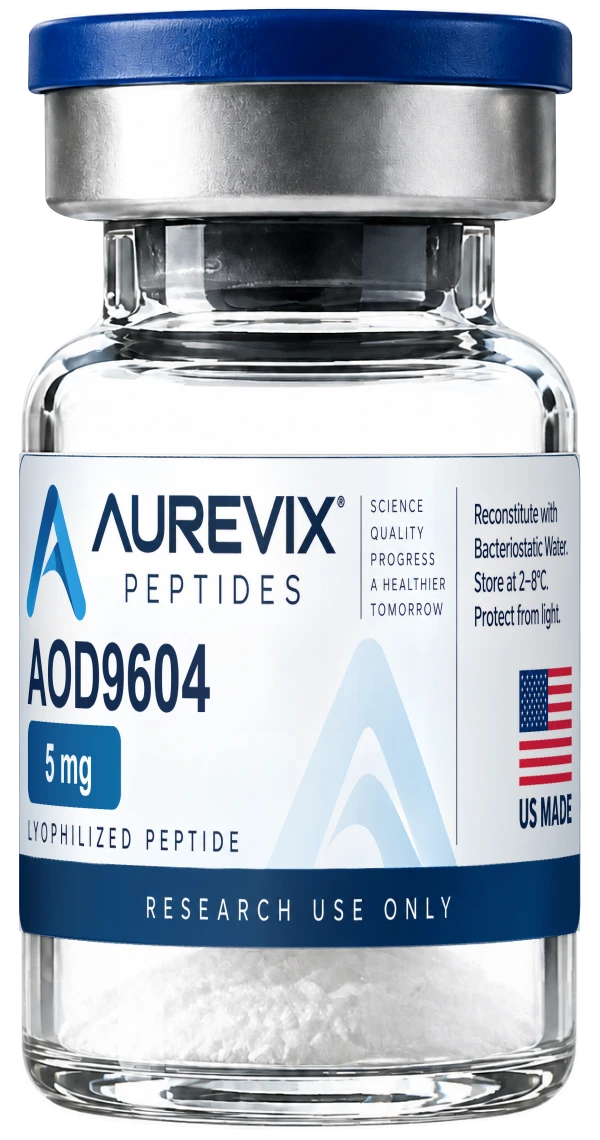
A modified growth-hormone fragment for research into fat breakdown, reduced fat formation, weight management and body composition.
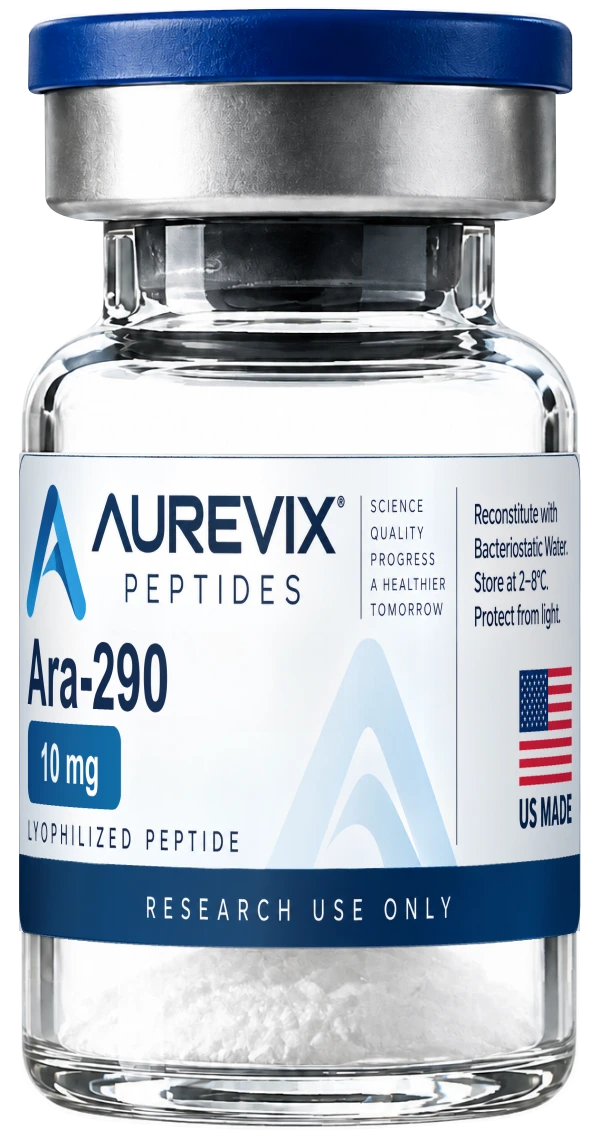
ARA-290, also known as cibinetide, is an 11-amino-acid peptide modeled on a tissue-protective region of erythropoietin. It was designed to activate the innate repair receptor without stimulating red-blood-cell production.
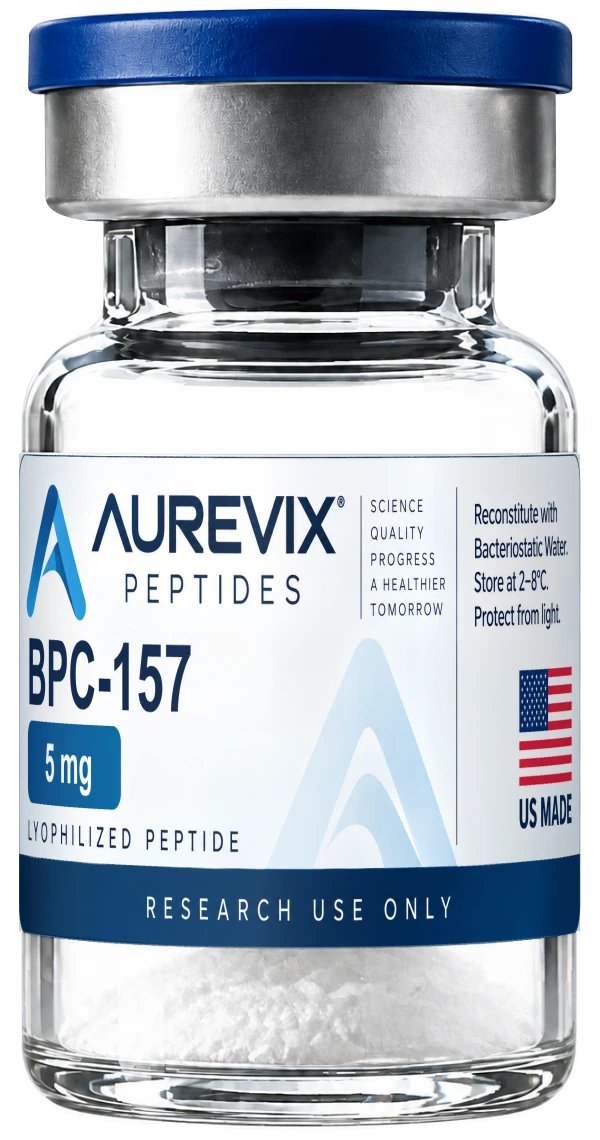
A body-protective peptide for research into tissue repair, recovery, inflammation support and gastrointestinal lining support.
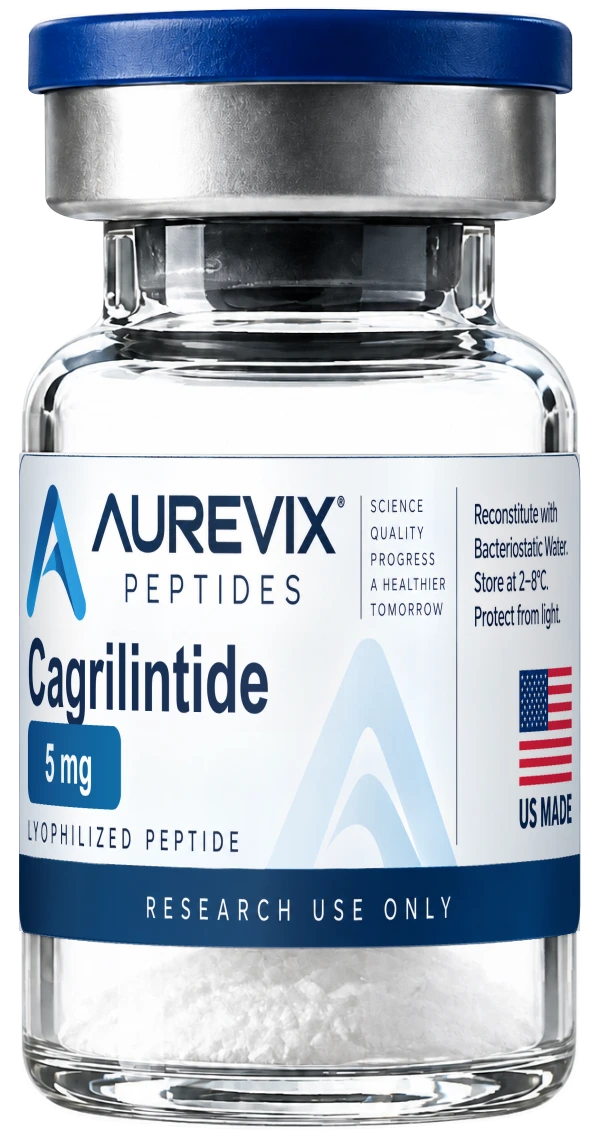
A long-acting amylin analogue for research into appetite regulation, satiety, slower gastric emptying and complementary metabolic support.
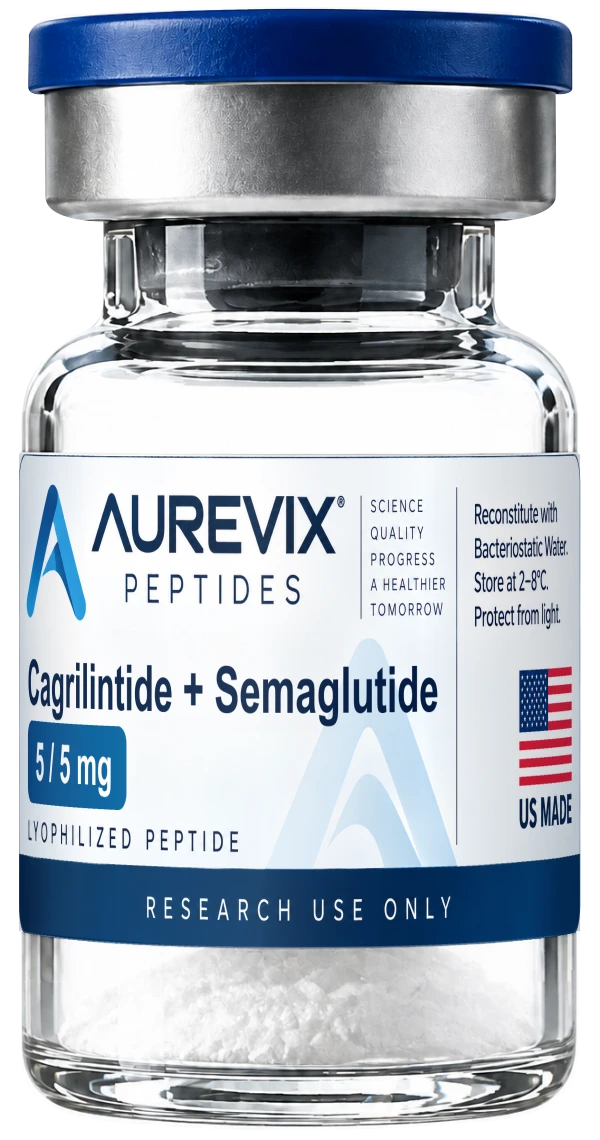
A combination of Cagrilintide and Semaglutide for research into complementary appetite regulation and satiety support.
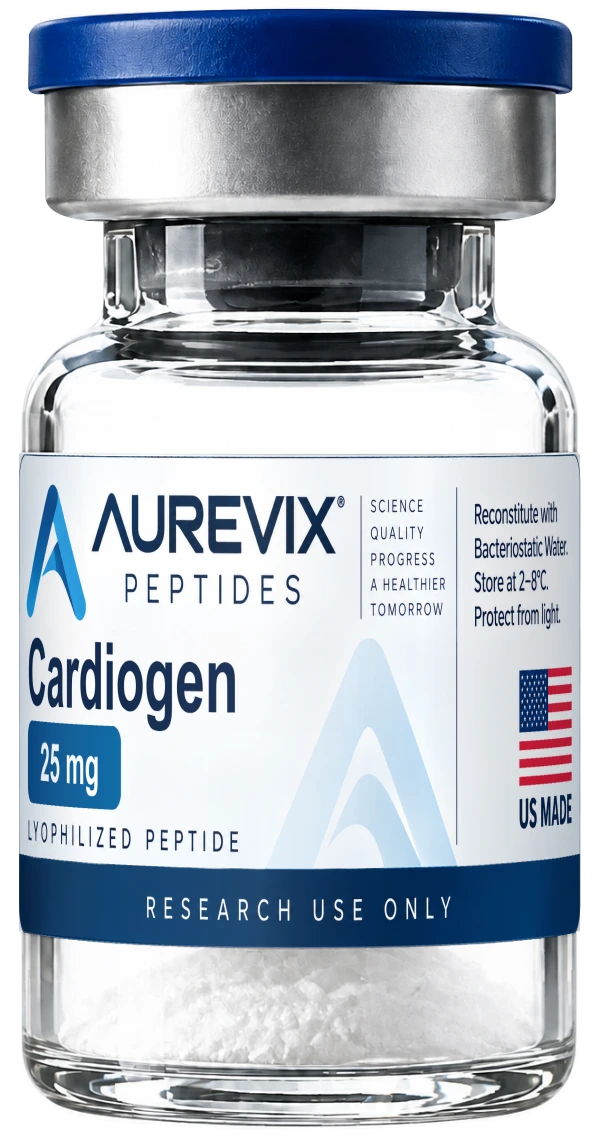
Cardiogen is a synthetic four-amino-acid peptide with the sequence Ala-Glu-Asp-Arg. It belongs to a group of short peptides studied for their interactions with cellular regulatory processes.
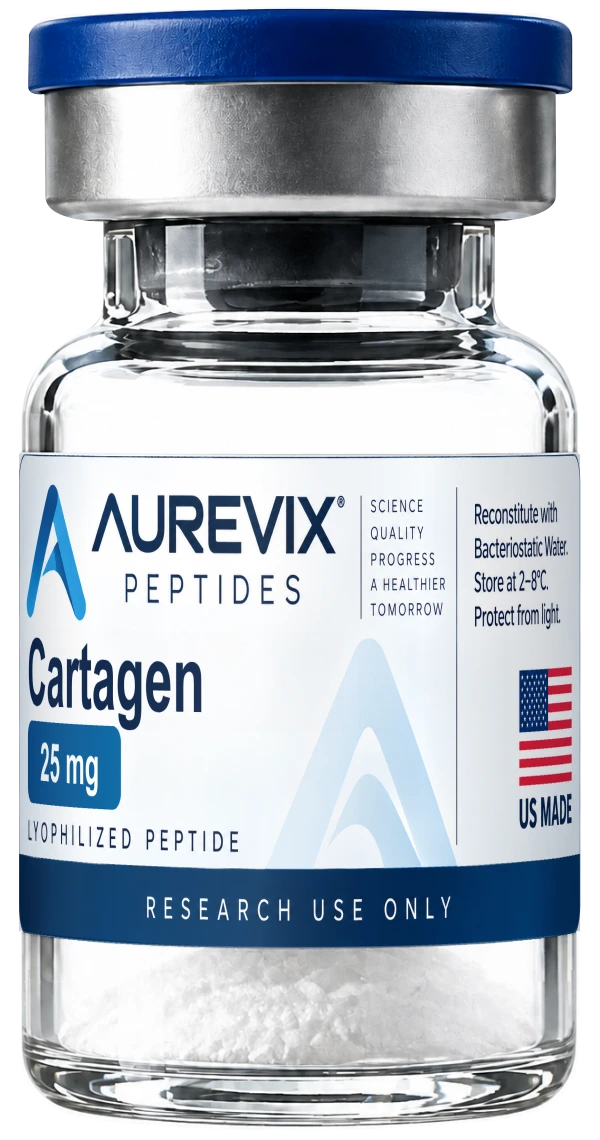
Cartagen is listed in the AUREVIX research portfolio in a 25 mg presentation. Contact AUREVIX for product specifications and documentation for the applicable lot.
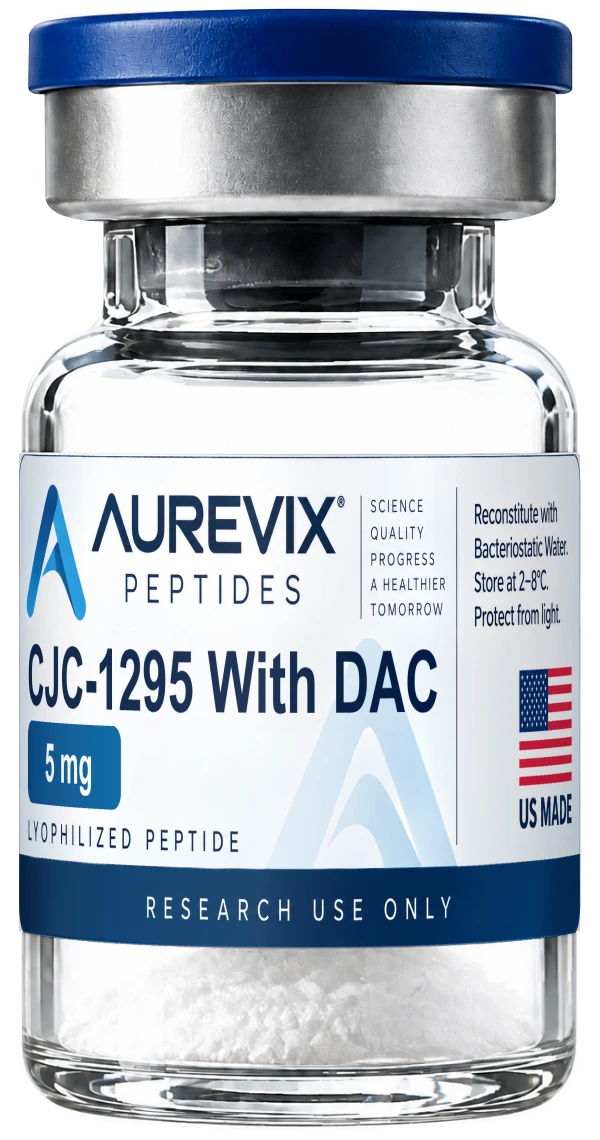
CJC-1295 with DAC is a modified growth-hormone-releasing hormone analogue designed to bind circulating albumin. This structural feature extends its persistence compared with the natural hormone.
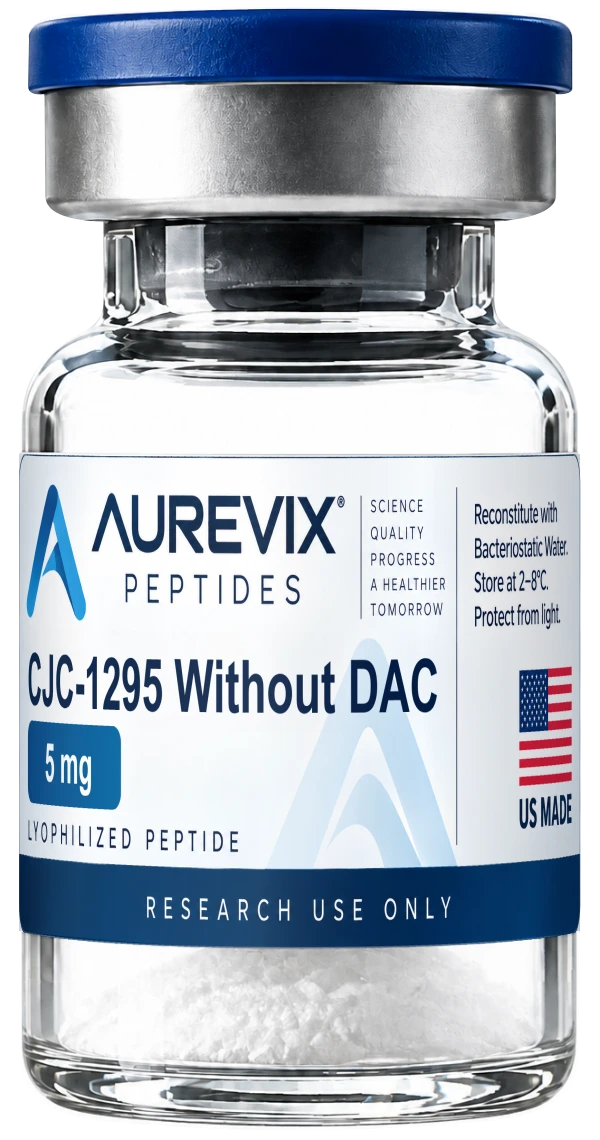
A synthetic GHRH analogue, also called GRF 1-29, for research into short, pulsatile growth-hormone release through the pituitary gland.
A naturally occurring neuropeptide for research into restorative sleep, circadian rhythm, stress-related sleep support and recovery.
A synthetic tetrapeptide for research into telomerase-related cellular longevity, melatonin cycles, sleep quality and immune support.
The FOXO4 entry in the AUREVIX research portfolio is available in a 10 mg presentation. Contact AUREVIX for the peptide specification and documentation for the applicable lot.
A copper peptide for research into collagen production, tissue repair, skin quality, hair support and inflammation-related pathways.
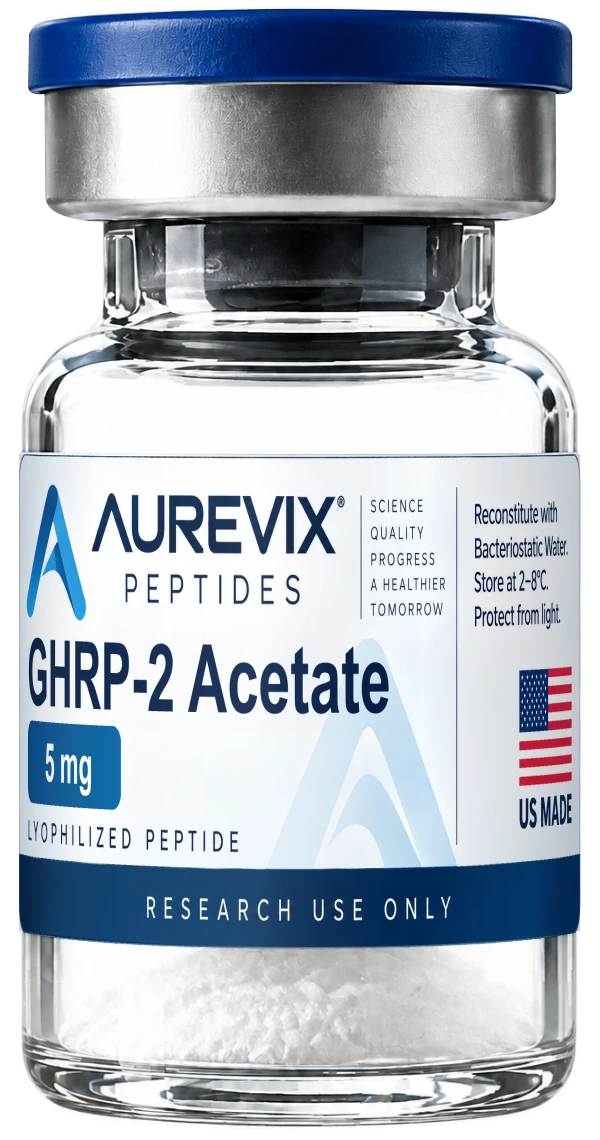
GHRP-2 acetate is the acetate form of a synthetic six-amino-acid growth-hormone-releasing peptide. GHRP-2 activates the ghrelin receptor, a signaling pathway involved in growth-hormone secretion and appetite.
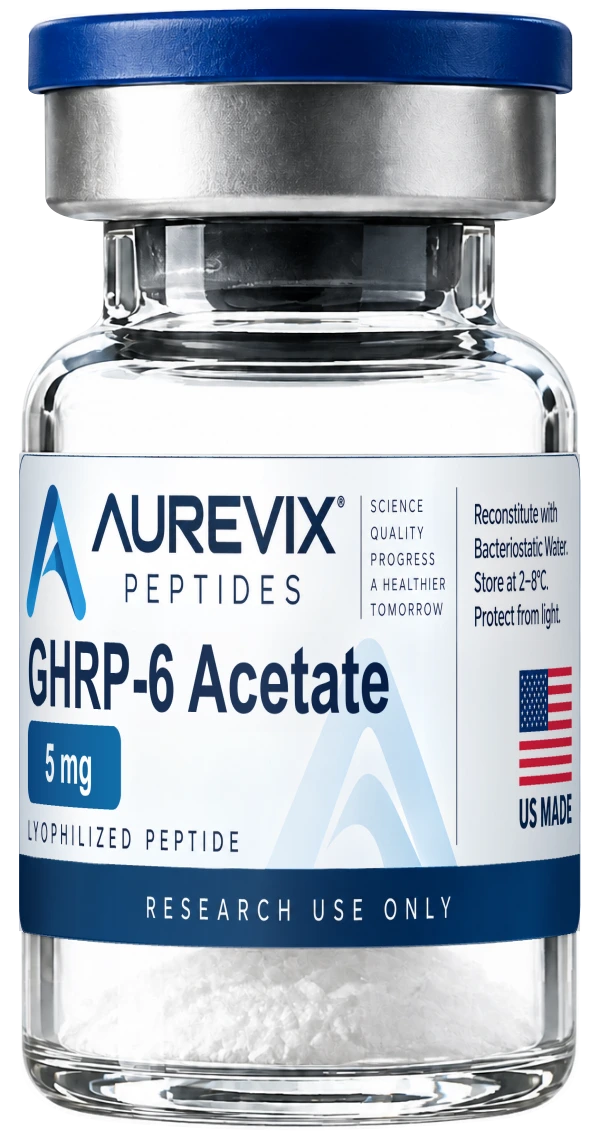
GHRP-6 acetate is the acetate form of a synthetic hexapeptide that activates the ghrelin receptor. Its receptor interactions make it a research tool for studying growth-hormone release and the signaling that connects endocrine regulation with digestive function.
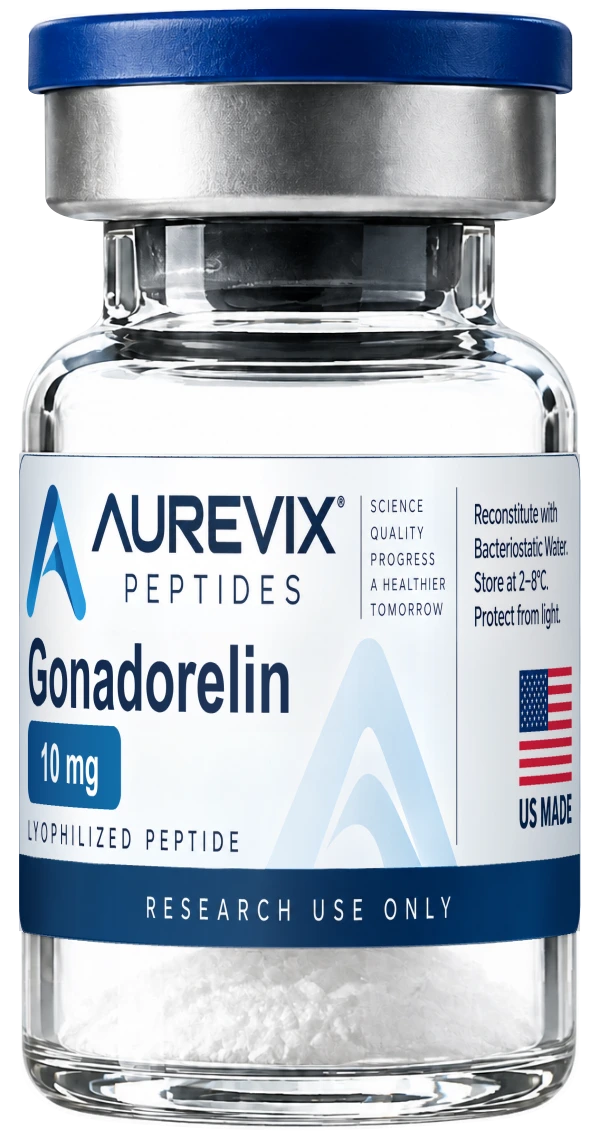
A synthetic GnRH analogue for research into pituitary LH and FSH signaling, natural reproductive hormone production and fertility-related support.
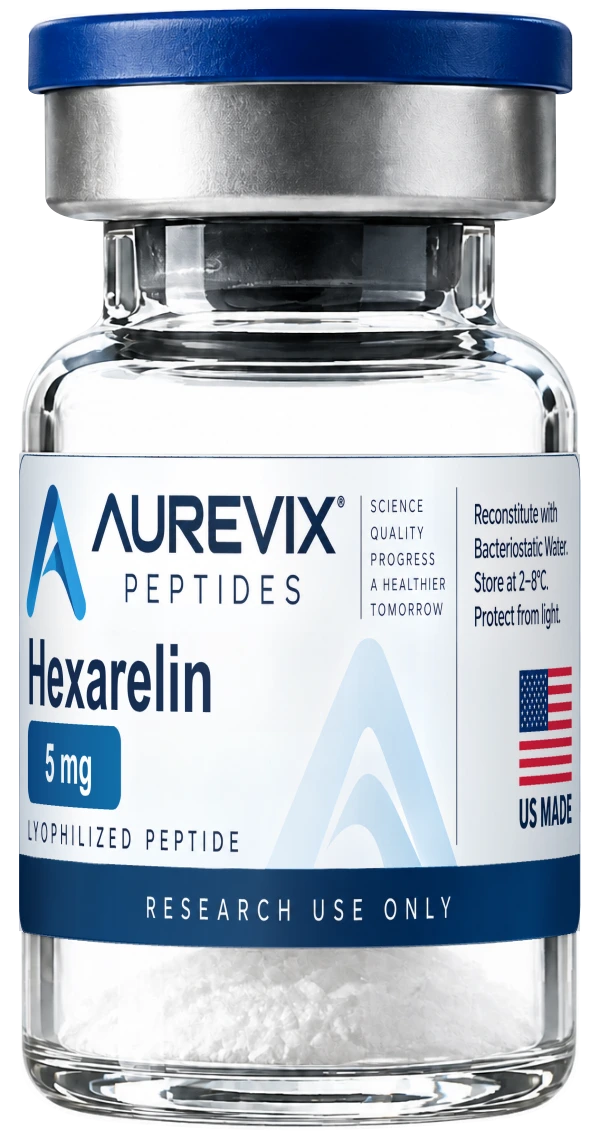
Hexarelin is a synthetic six-amino-acid growth-hormone secretagogue studied for its interactions with the ghrelin receptor and CD36. These distinct targets connect endocrine signaling with cellular lipid handling.
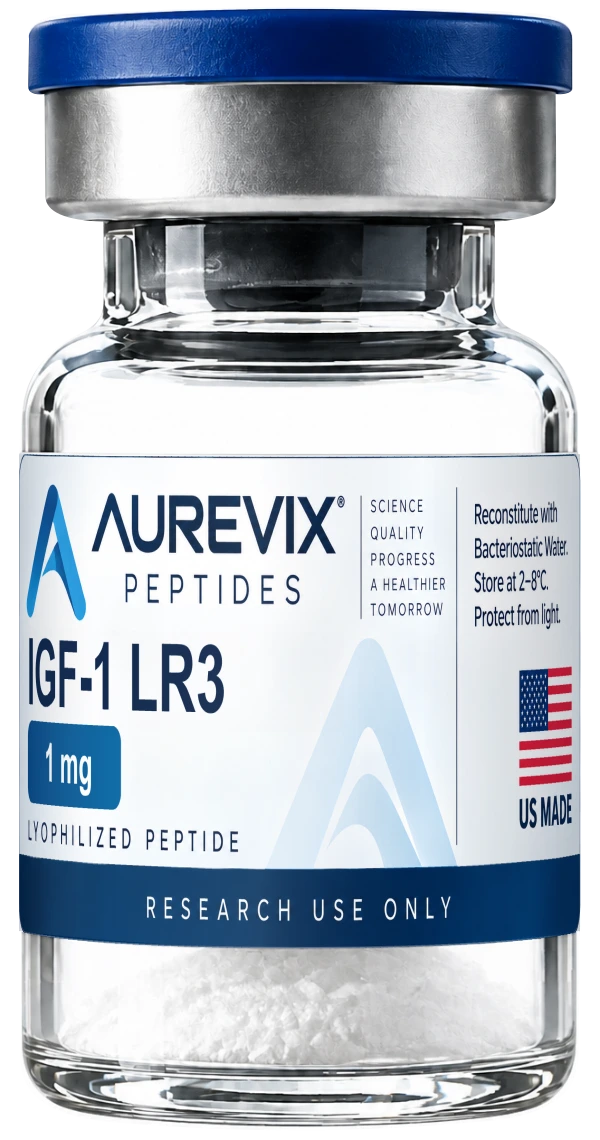
A modified insulin-like growth factor-1 analogue for research into extended activity, muscle development, recovery and cellular repair.
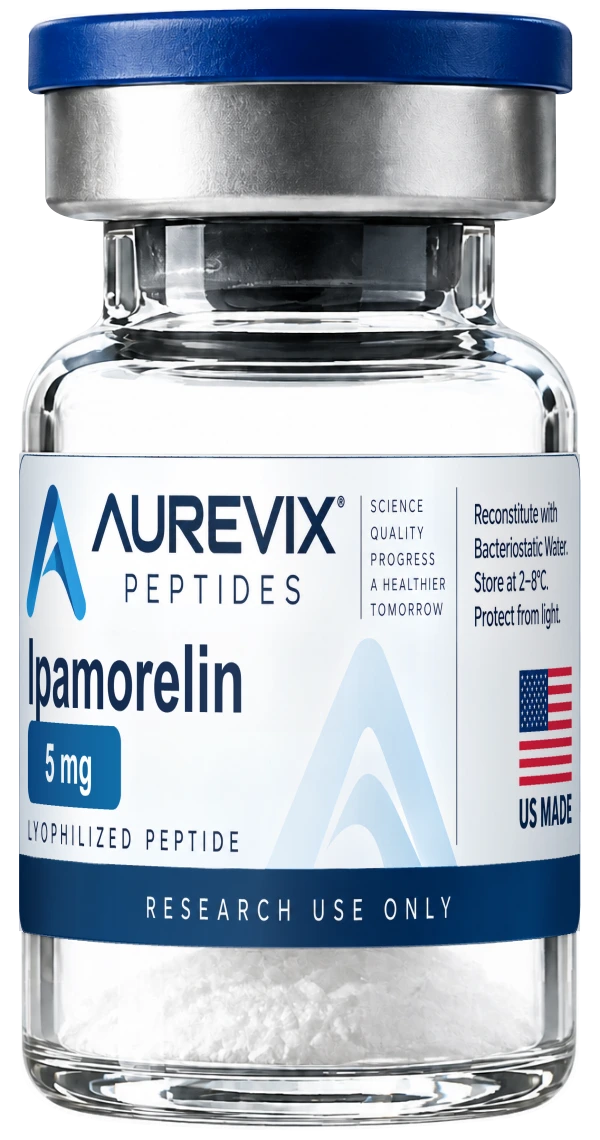
Ipamorelin is a synthetic five-amino-acid peptide that acts on the ghrelin receptor and stimulates growth-hormone release. Its early pharmacology studies explored selectivity for growth-hormone signaling compared with other pituitary hormones.
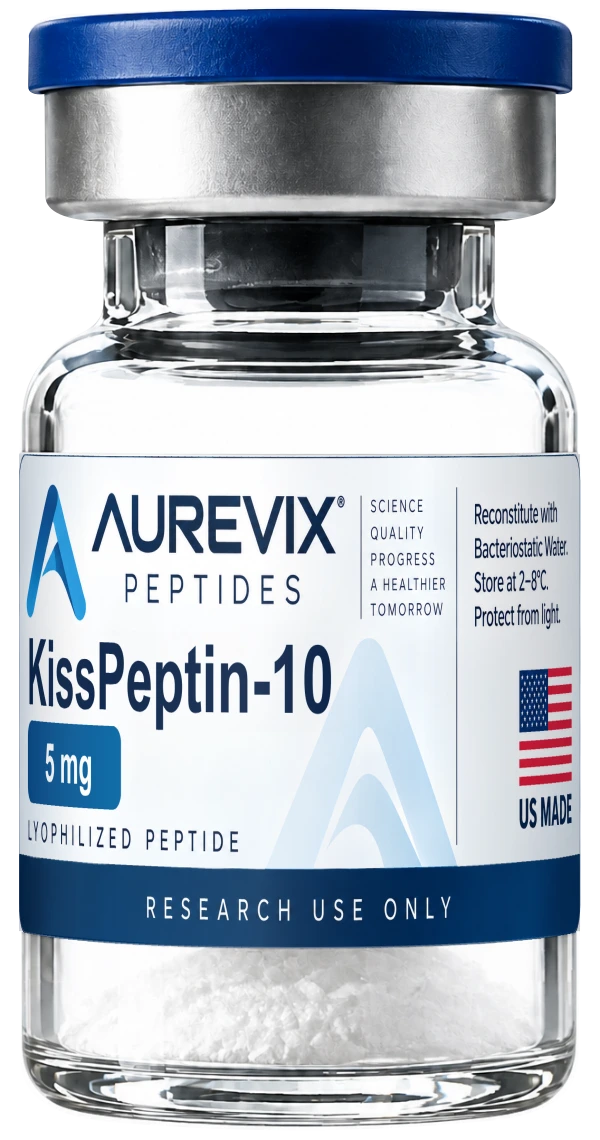
Kisspeptin-10 is a ten-amino-acid peptide that activates the kisspeptin receptor, KISS1R. It forms the shared active core of several naturally occurring kisspeptins.
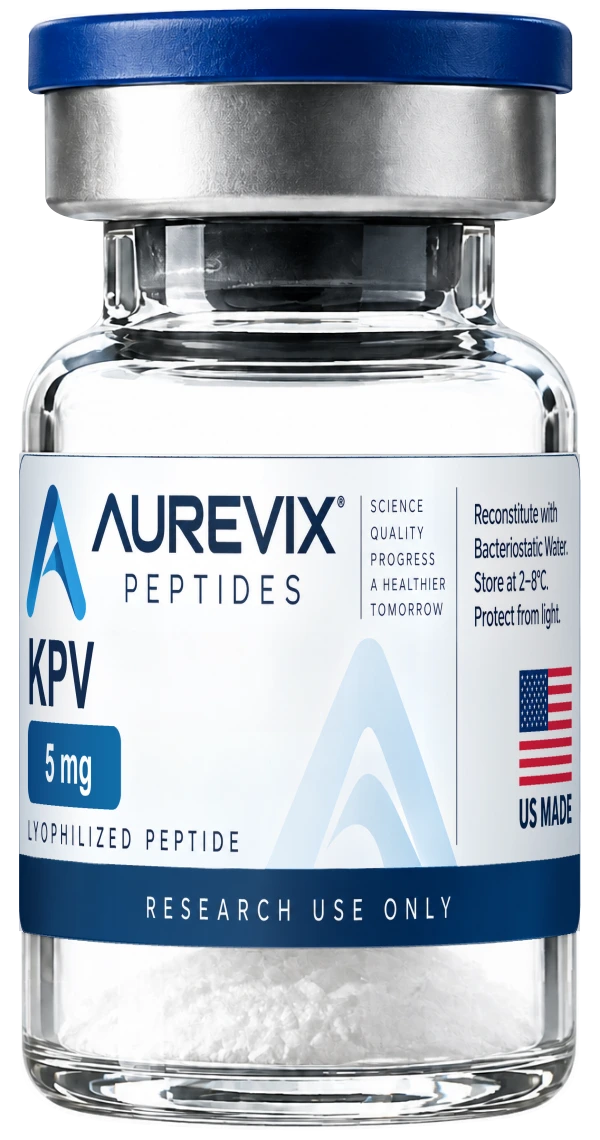
An alpha-MSH-derived tripeptide for research into anti-inflammatory, antimicrobial and immune-modulating effects, with a focus on gut and skin support.
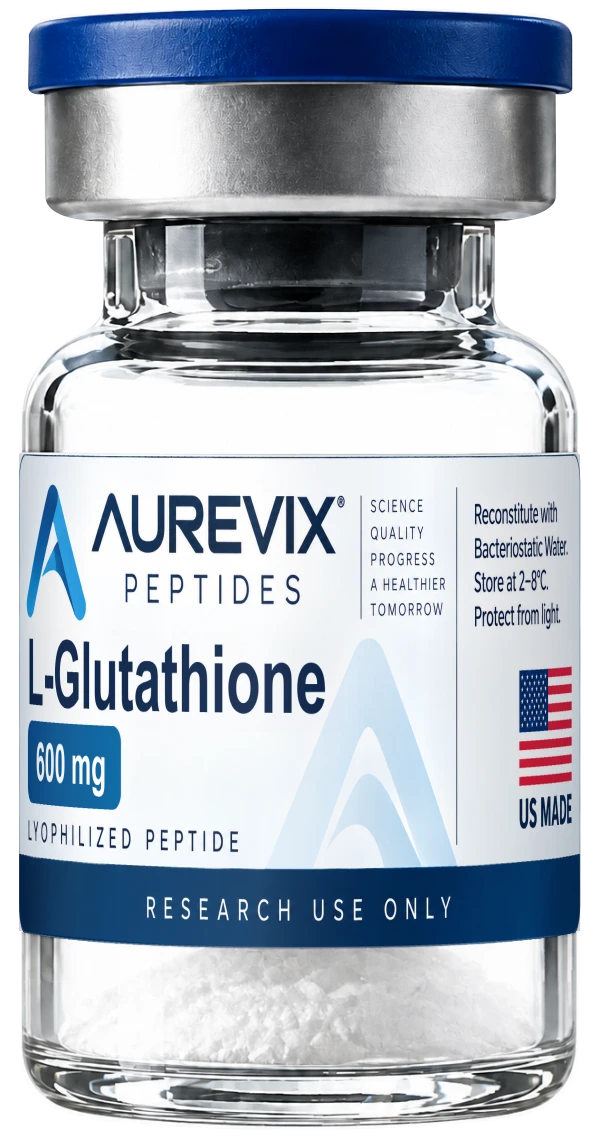
L-glutathione is a naturally occurring tripeptide made from glutamate, cysteine and glycine. Its reduced form participates in cellular antioxidant defenses and helps maintain the balance between oxidation and reduction.
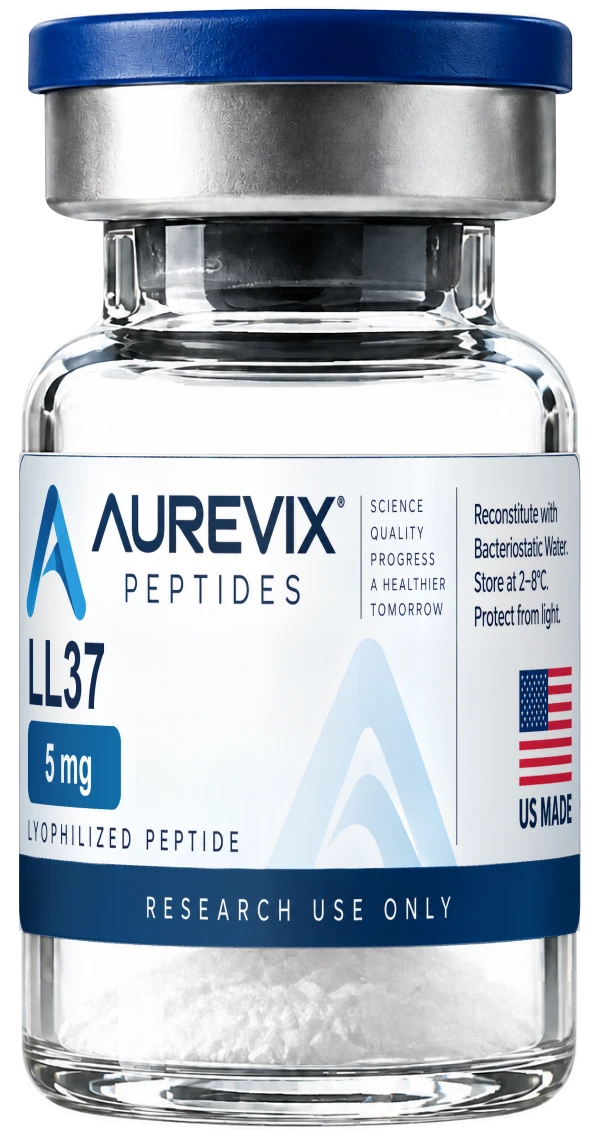
LL-37 is a 37-amino-acid peptide produced from the human cathelicidin precursor hCAP18. It is studied as part of innate immune defense, with laboratory work examining antimicrobial activity and the recruitment of immune cells.
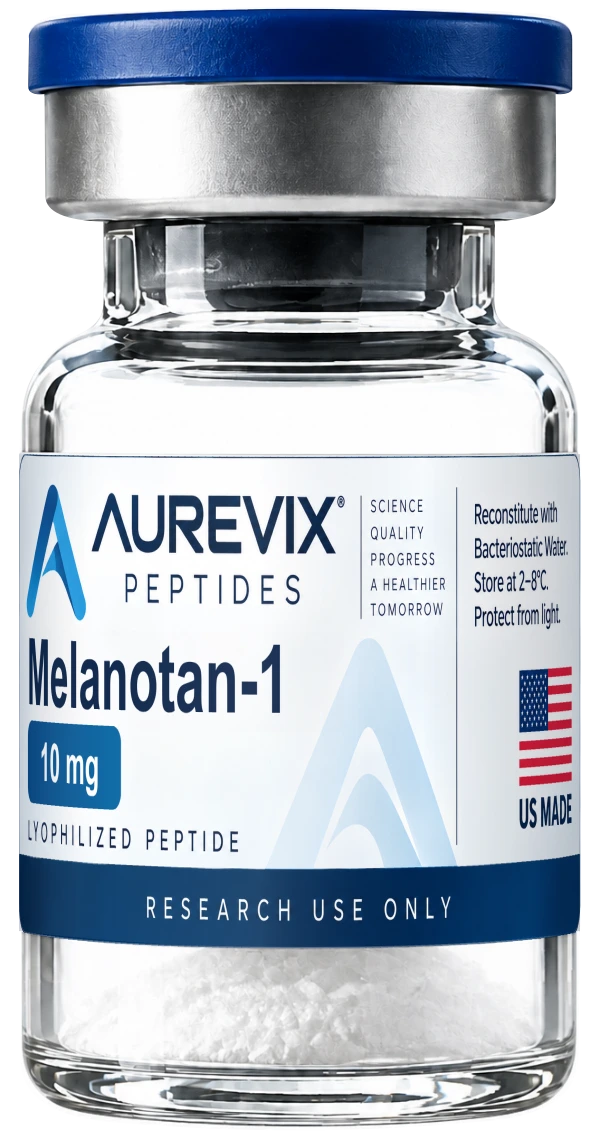
Melanotan-1 is a synthetic analogue of alpha-melanocyte-stimulating hormone, developed to investigate melanocortin signaling and skin pigmentation. By interacting with the melanocortin-1 receptor, it influences pathways involved in eumelanin production.
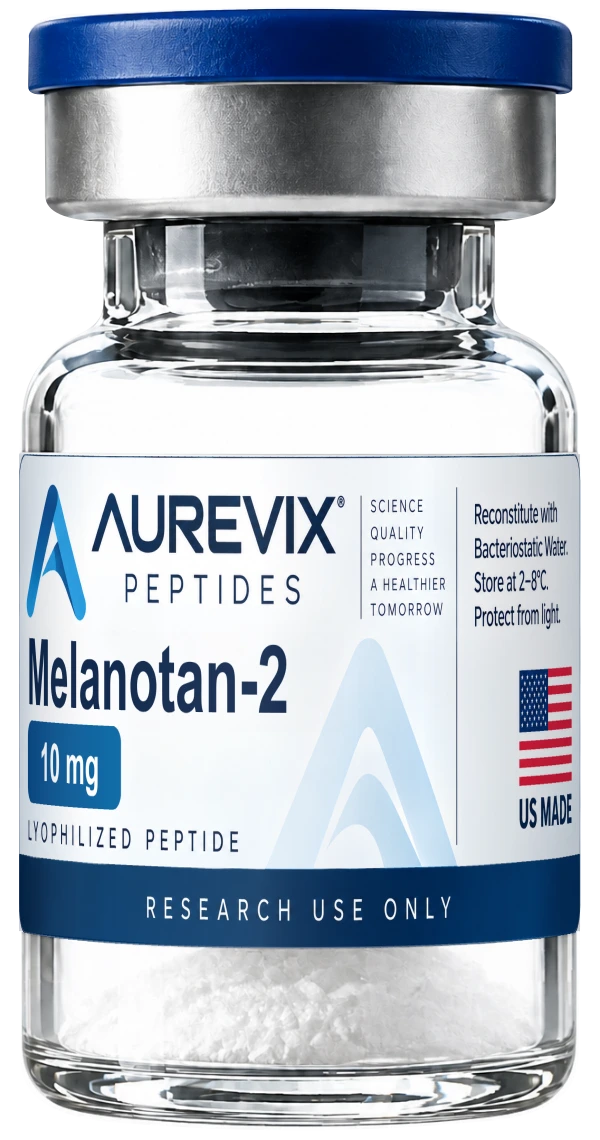
A synthetic peptide for research into melanin production and skin pigmentation, with additional references to libido and appetite pathways.
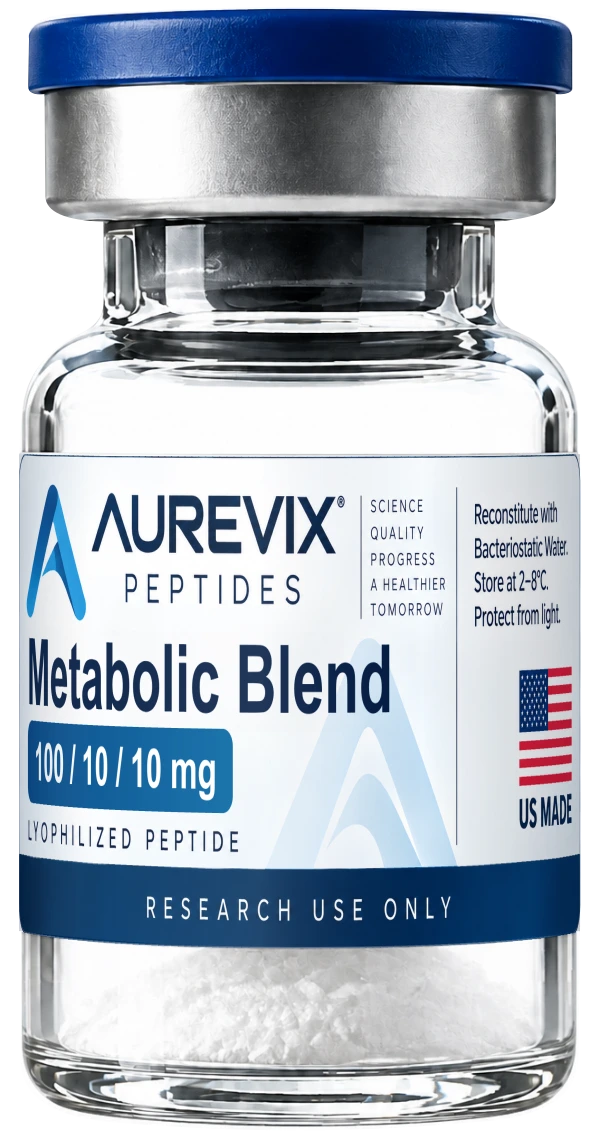
NAD+, MOTS-c and 5-Amino-1MQ for research into cellular energy, metabolic signaling and nicotinamide-related pathways.
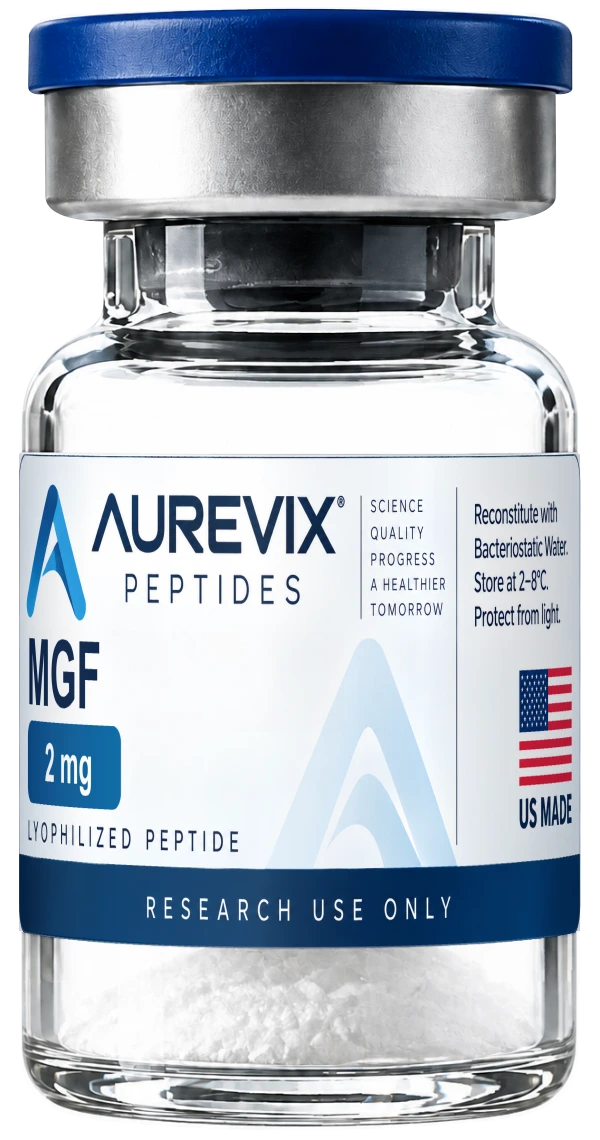
MGF research centers on a mechanically responsive form of insulin-like growth factor-1 and peptides derived from its E-domain. Scientists examine these sequences in muscle-cell models to understand proliferation, differentiation and responses to mechanical stress.
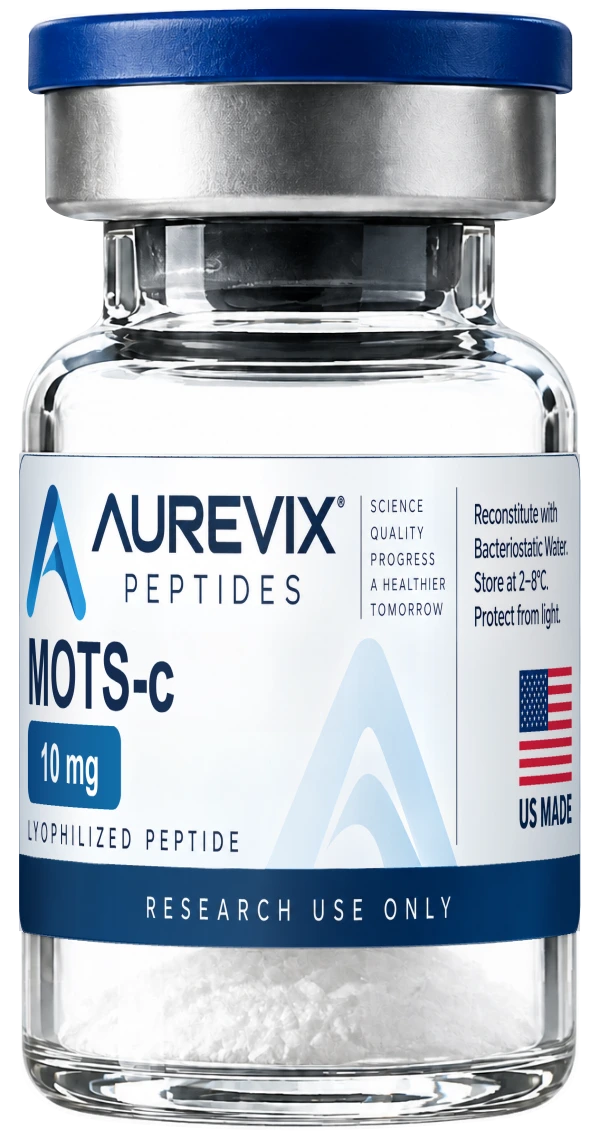
A mitochondrial-derived peptide for research into cellular energy regulation, glucose metabolism, insulin sensitivity and exercise endurance.
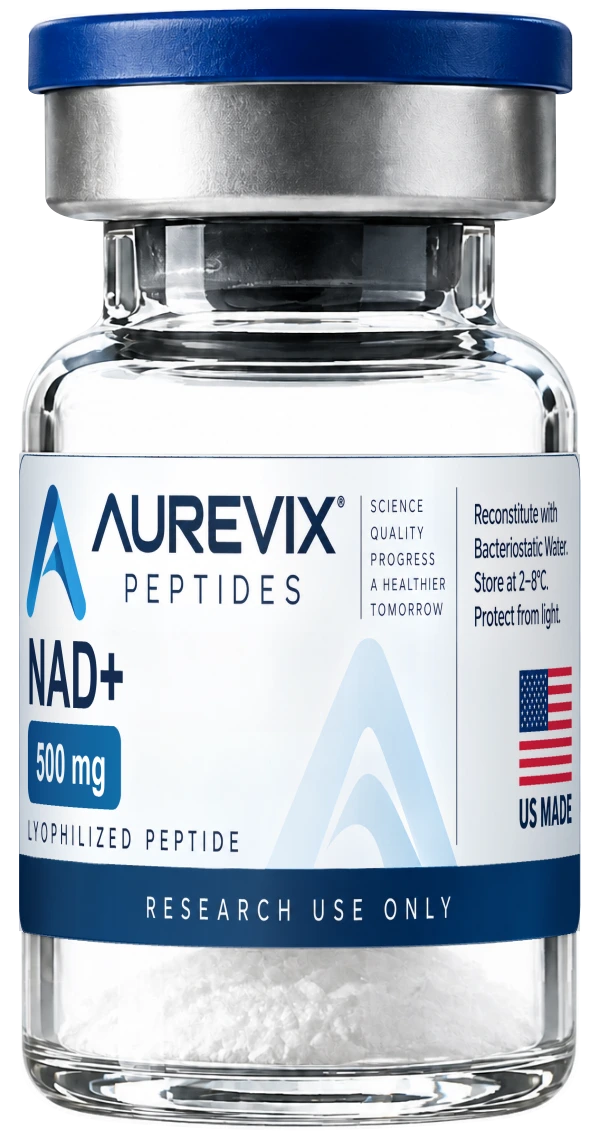
A coenzyme involved in cellular energy, mitochondrial function and DNA repair for research into energy, mental clarity and recovery support.
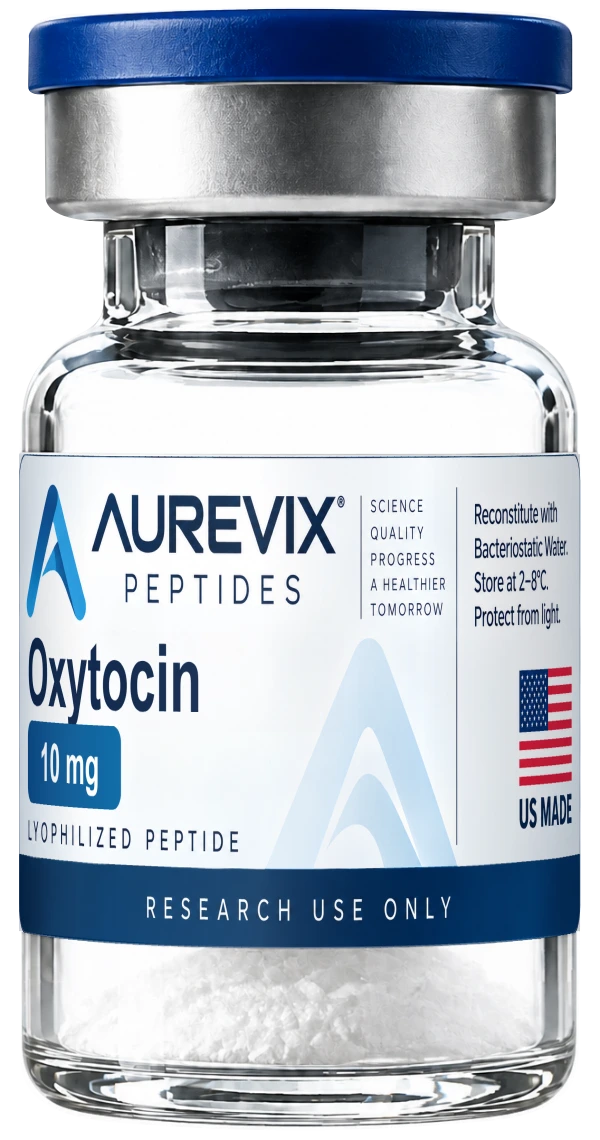
Oxytocin is a naturally occurring nine-amino-acid peptide hormone that signals through the oxytocin receptor. It participates in reproductive physiology and is also studied for its roles in neural and social signaling.
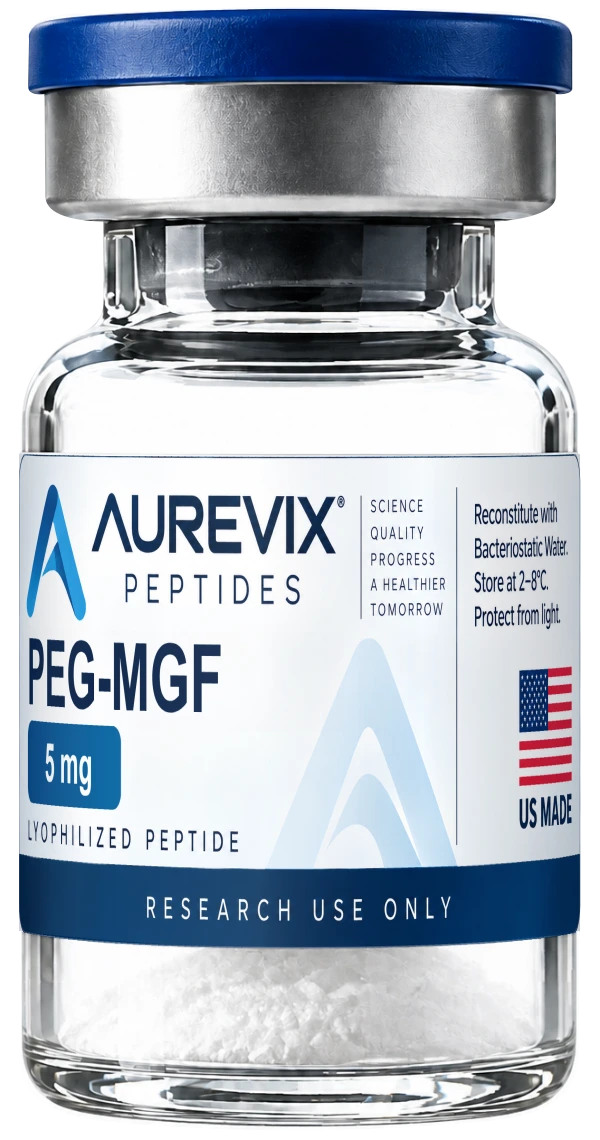
PEG-MGF denotes a polyethylene-glycol-modified MGF research peptide. Its study connects peptide characterization with the broader investigation of IGF-1 E-domain sequences and muscle-cell signaling.
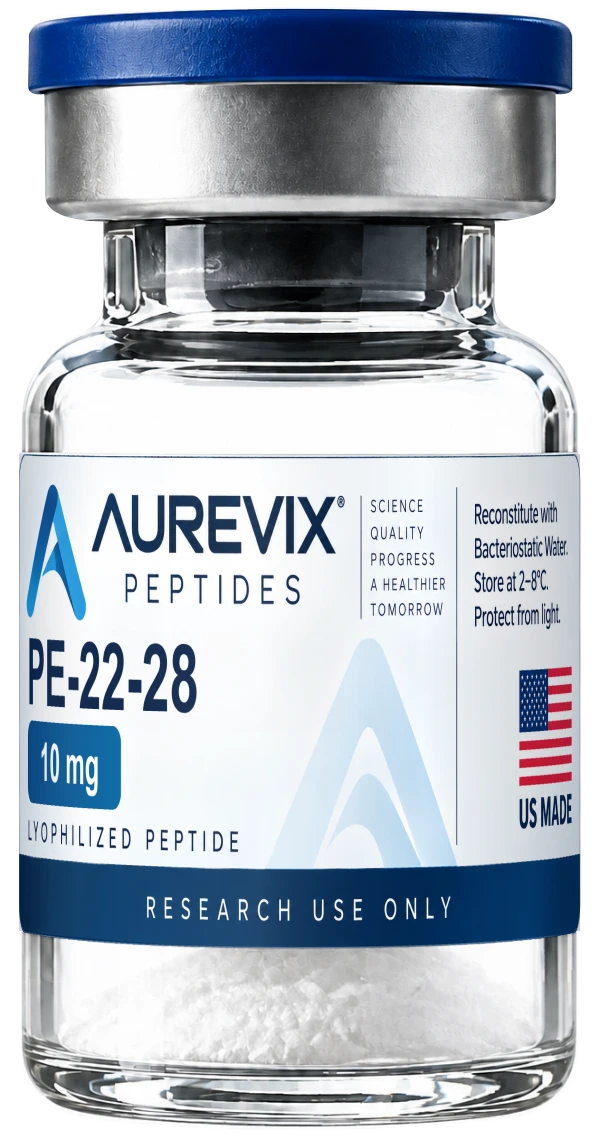
PE-22-28 is a seven-amino-acid peptide derived from the spadin research program. It is studied for inhibition of TREK-1, a potassium channel involved in neuronal excitability.
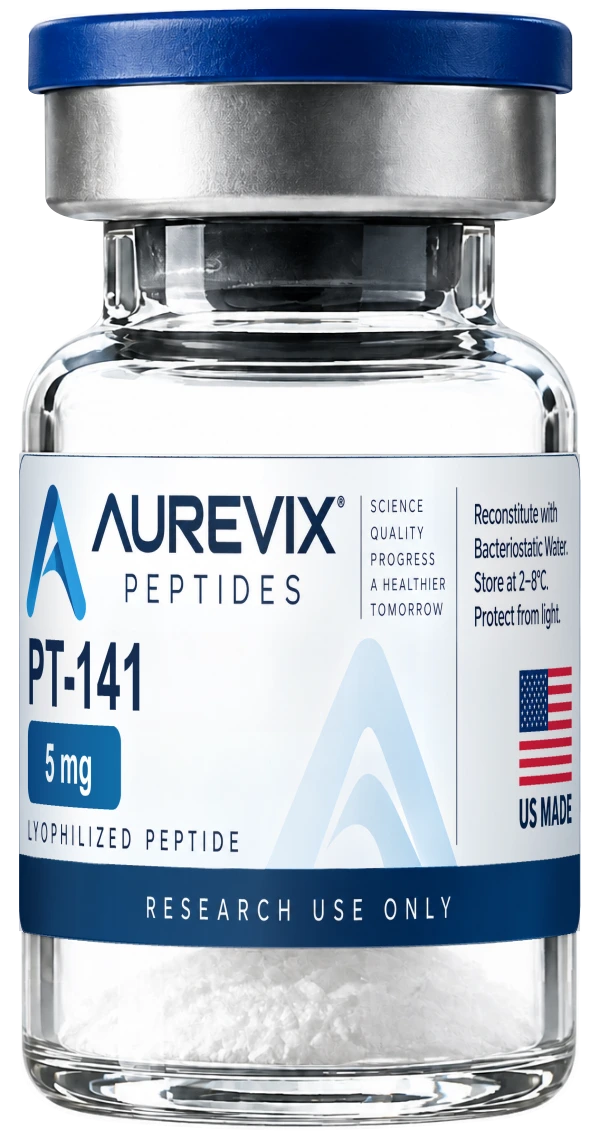
A melanocortin receptor agonist for research into libido, sexual desire and arousal through the nervous system.
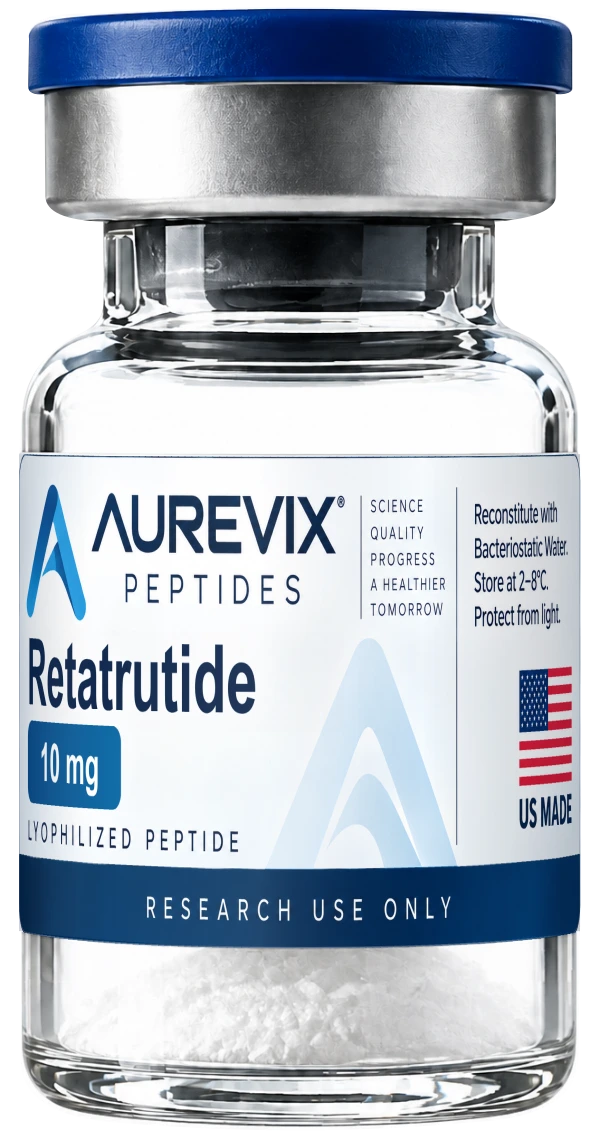
A triple GLP-1, GIP and glucagon receptor agonist for research into appetite regulation, fat metabolism and metabolic support.
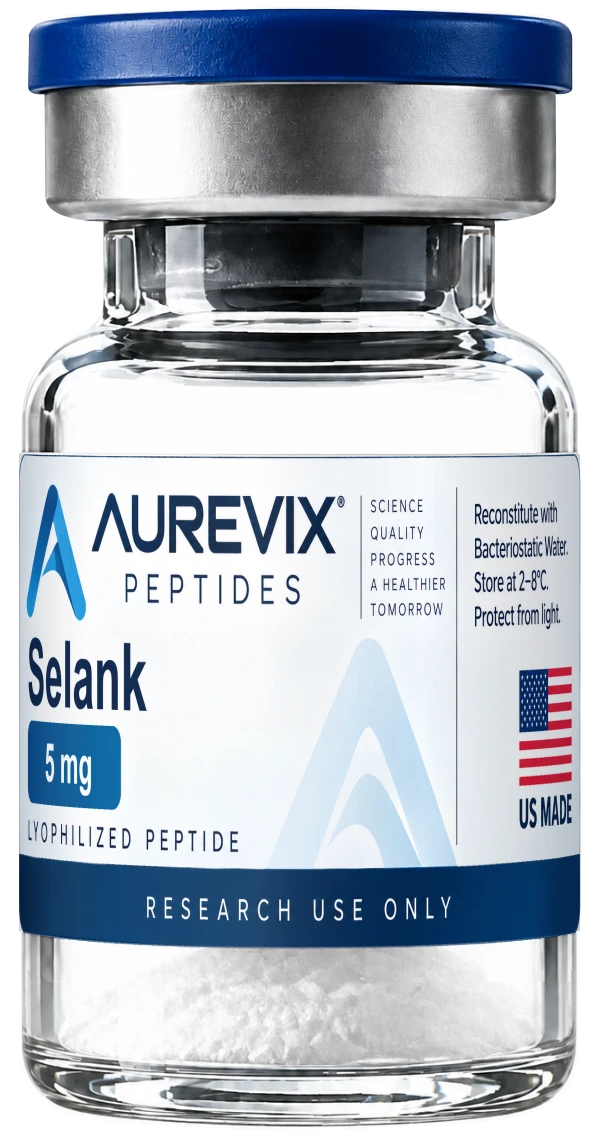
A synthetic peptide for research into anxiety-related support, cognitive performance, stress resilience and emotional balance through GABAergic signaling.
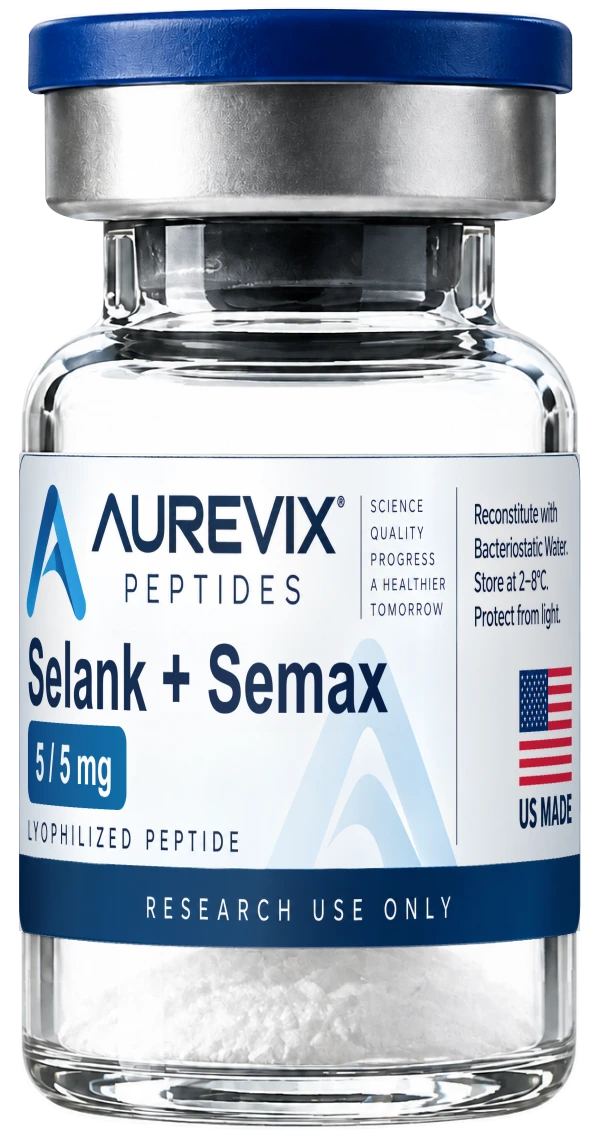
A Semax and Selank blend for research into mental focus, calm and clarity.
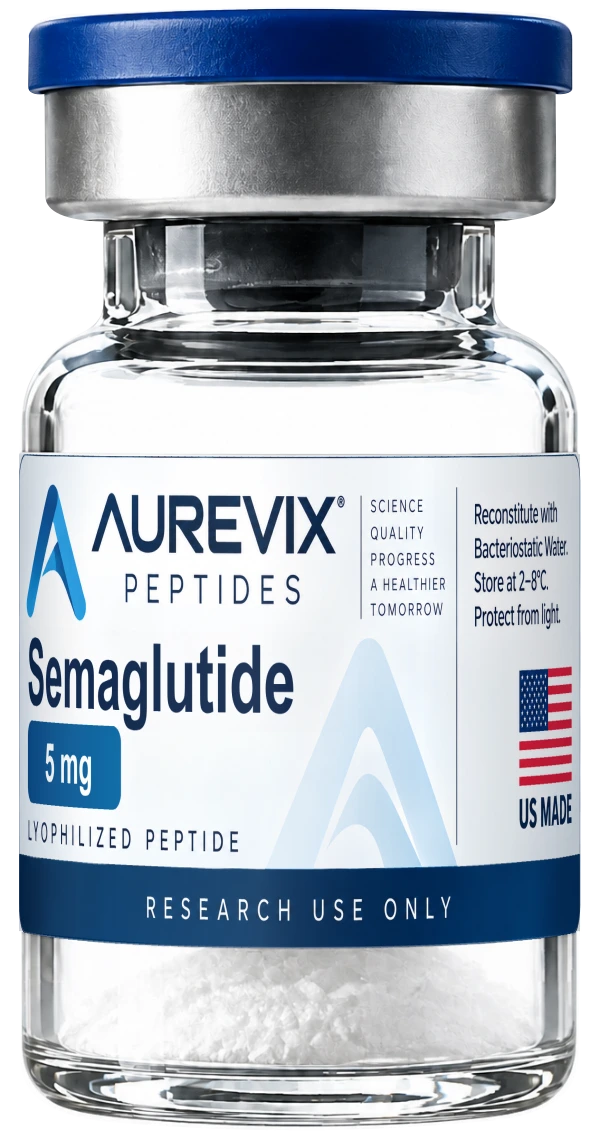
A GLP-1 receptor agonist for research into appetite regulation, blood-sugar balance, slower gastric emptying and weight management.
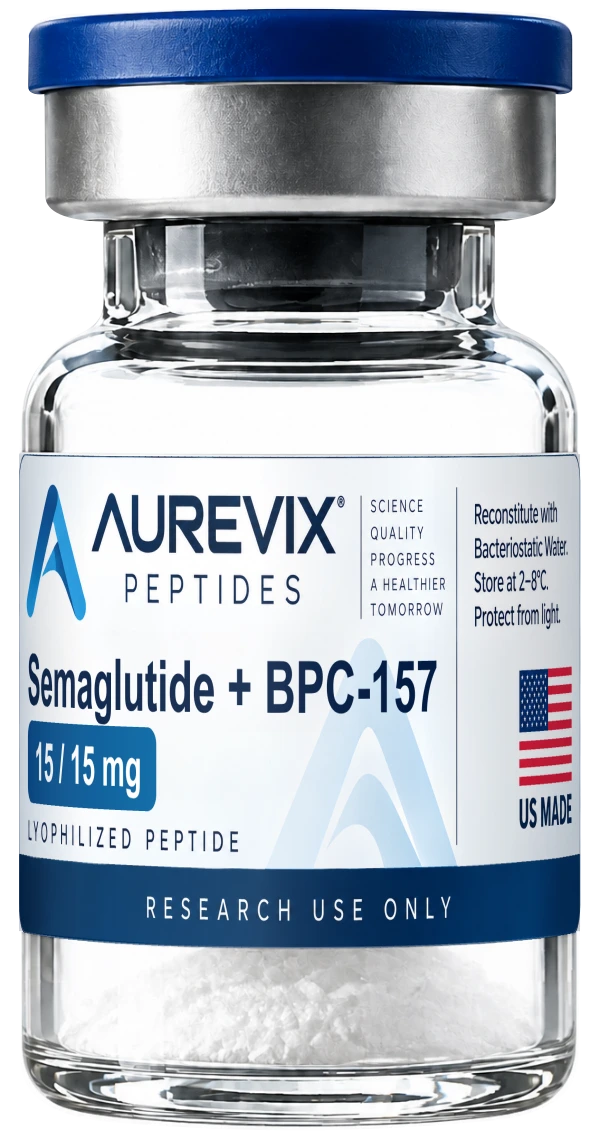
Semaglutide and BPC-157 in a research blend spanning GLP-1 signaling, metabolic regulation and tissue-response pathways.
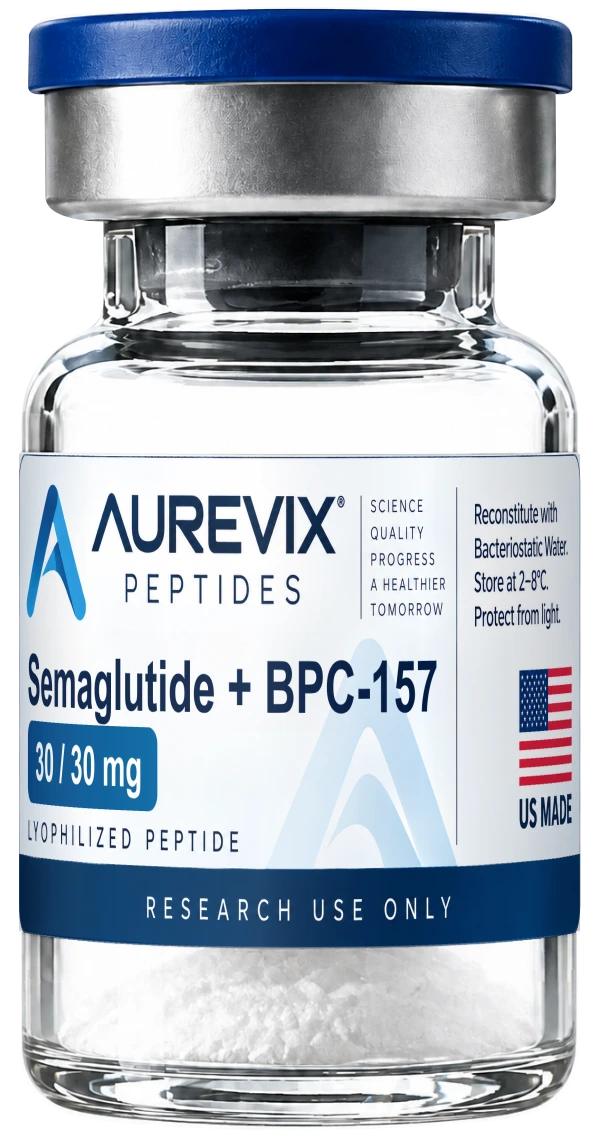
Semaglutide and BPC-157 in a research blend spanning GLP-1 signaling, metabolic regulation and tissue-response pathways.
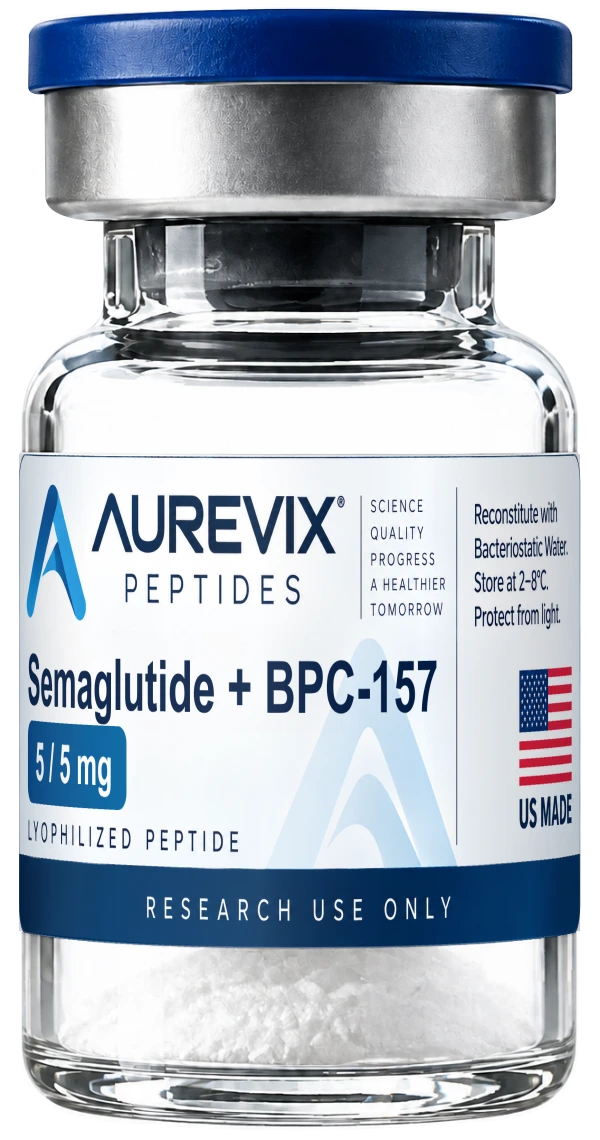
Semaglutide and BPC-157 in a research blend spanning GLP-1 signaling, metabolic regulation and tissue-response pathways.
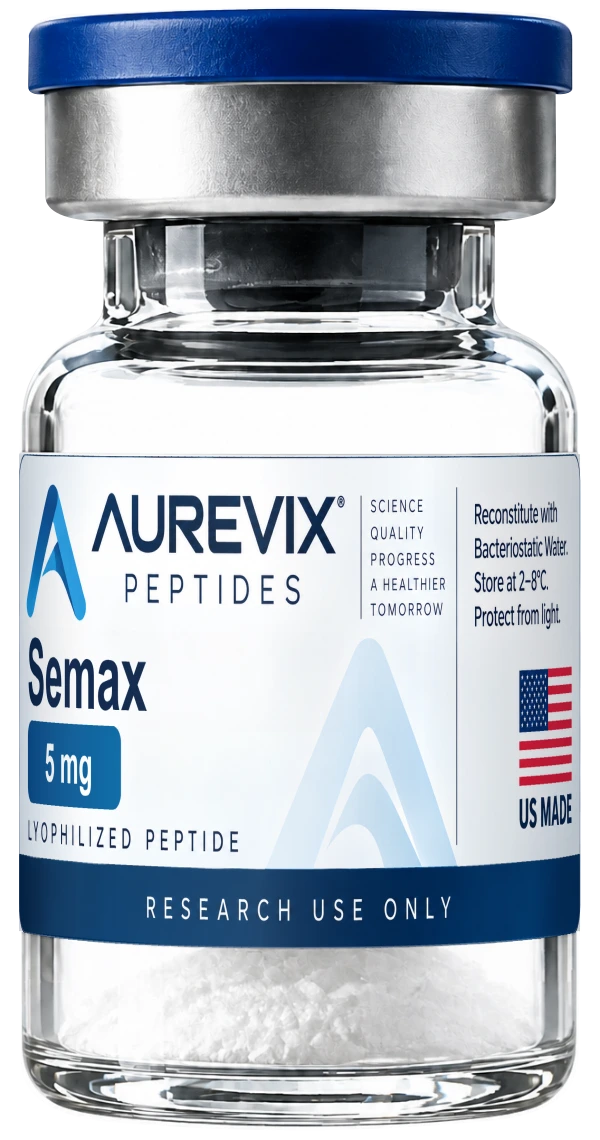
A synthetic peptide for research into focus, memory, learning, mental clarity and mood support through BDNF-related signaling.
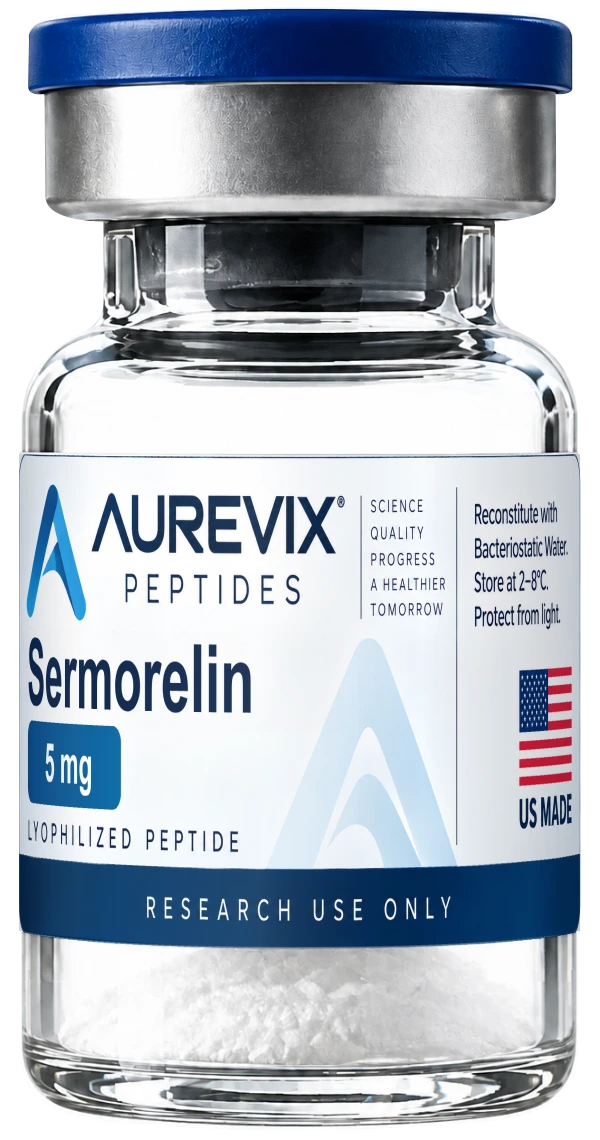
A GHRH analogue for research into natural growth-hormone and IGF-1 signaling, with a focus on recovery, sleep and body composition.
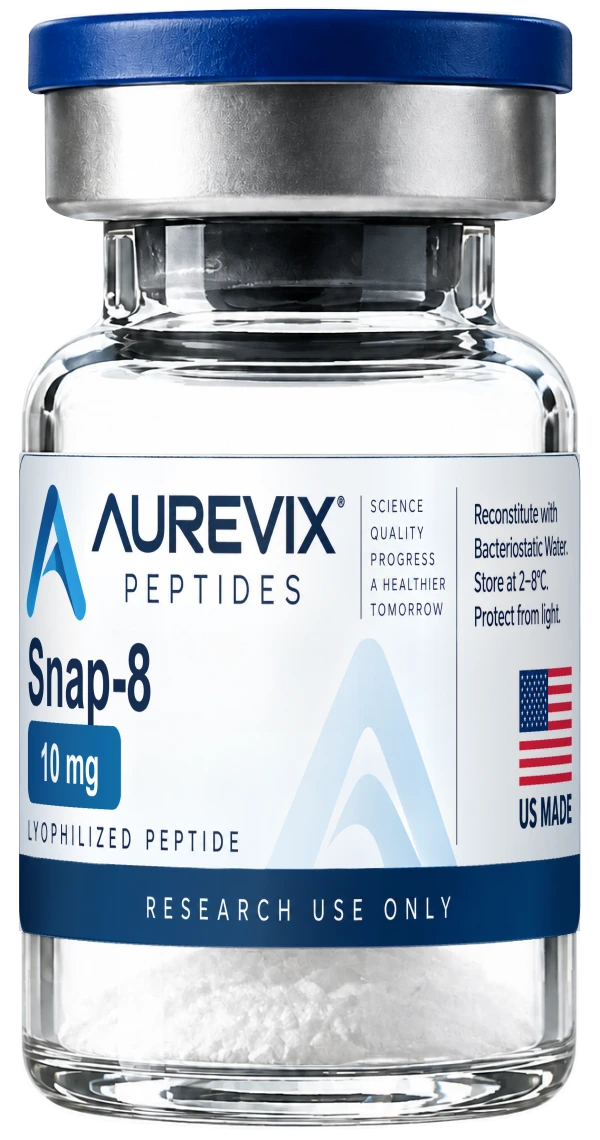
SNAP-8 is a synthetic cosmetic octapeptide also known as acetyl octapeptide-3. It was designed around a region of SNAP-25, a protein involved in neurotransmitter release.
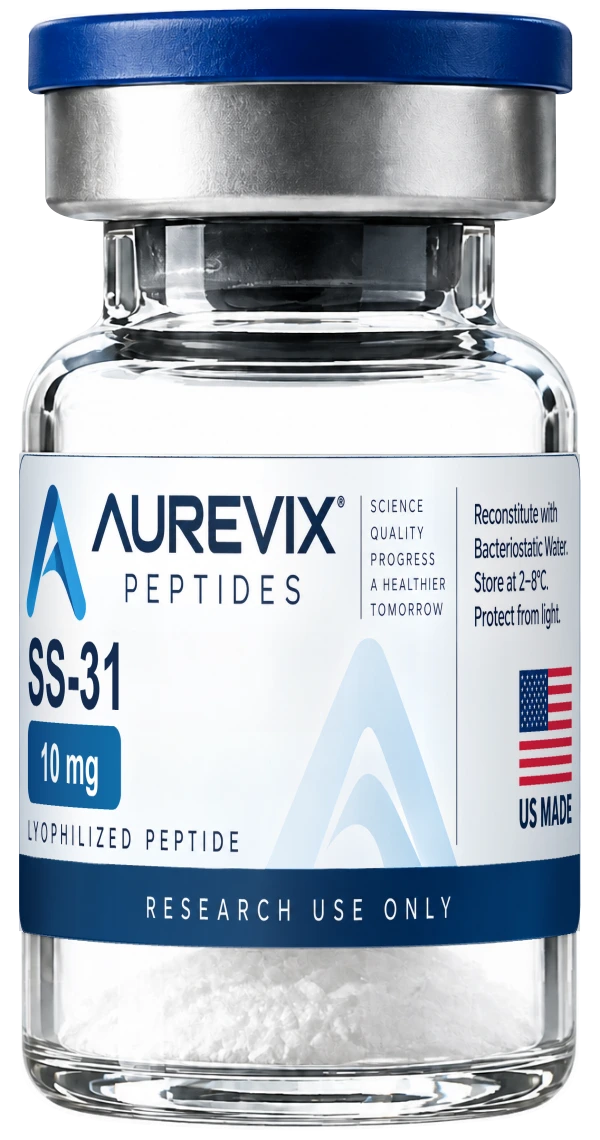
SS-31, also known as elamipretide, is a synthetic four-amino-acid peptide studied for its interactions with mitochondrial membranes. Research focuses on cardiolipin, membrane organization and the processes that support cellular energy production.
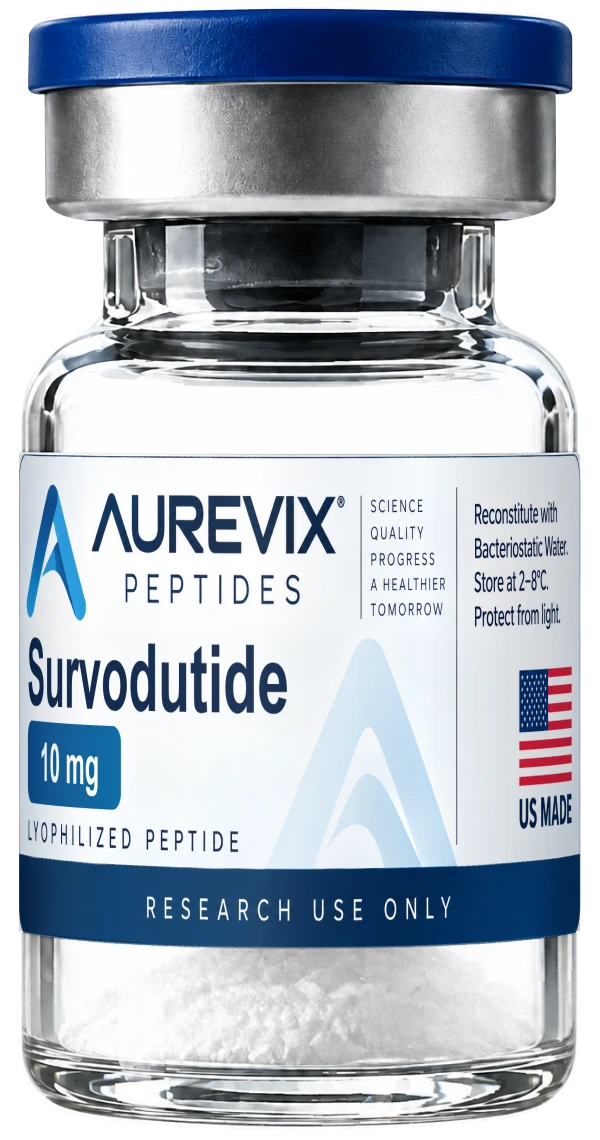
Survodutide is a synthetic peptide that activates both glucagon and GLP-1 receptors. Its dual-receptor design is studied to understand coordinated effects on metabolic regulation.
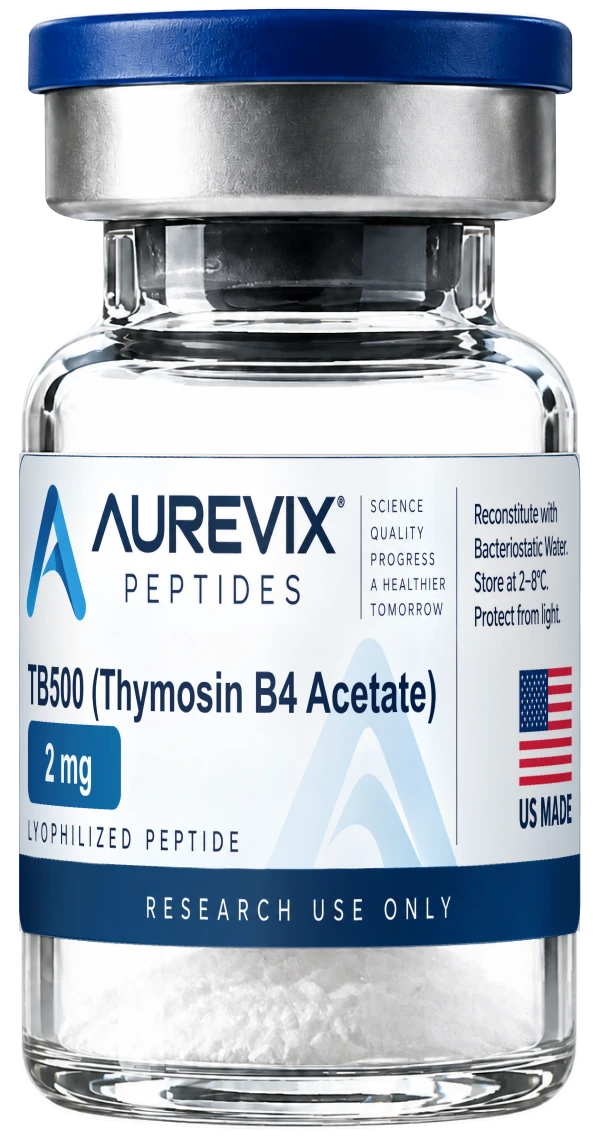
Thymosin beta-4 research examines how actin regulation connects cellular structure with movement and tissue responses. Laboratory studies explore endothelial-cell migration and repair-related signaling, while TB-500 research includes characterization of thymosin-derived fragments.
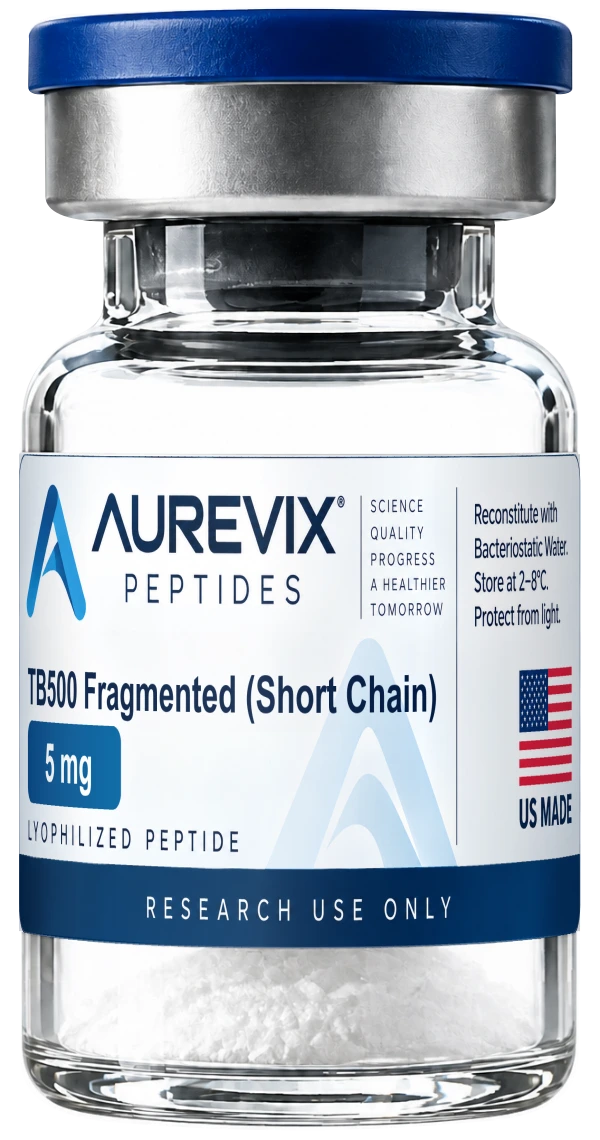
A synthetic thymosin beta-4 fragment for research into tissue repair, cell migration, inflammation support and recovery of connective tissues.
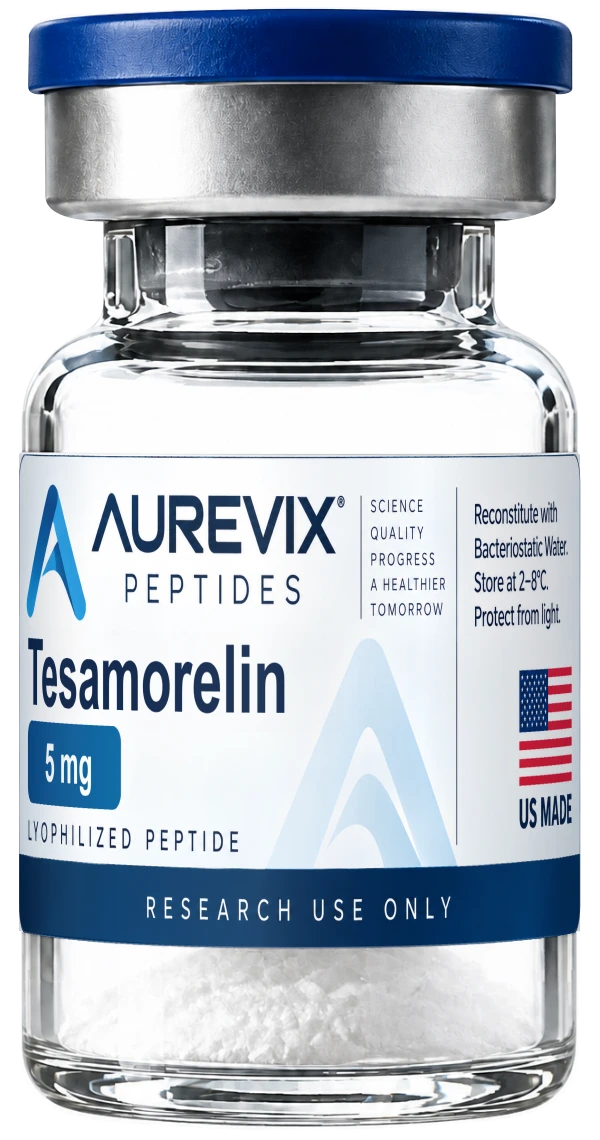
A synthetic GHRH analogue that stimulates growth-hormone release for research into visceral-fat reduction, lean body composition and metabolic support.
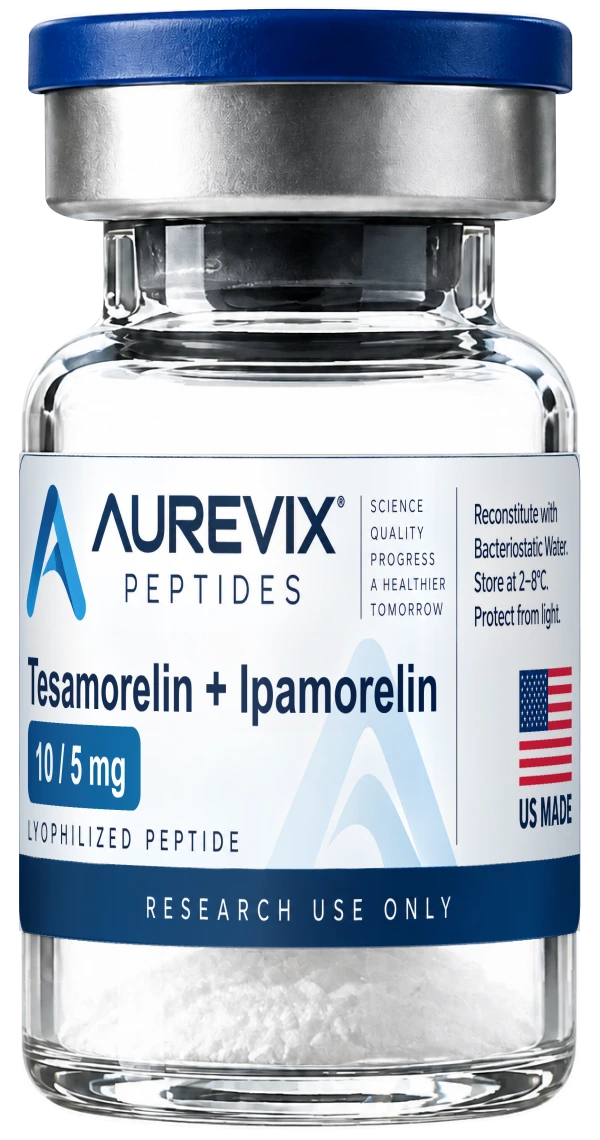
A 2:1 Tesamorelin and Ipamorelin blend for research into complementary fat-metabolism support.
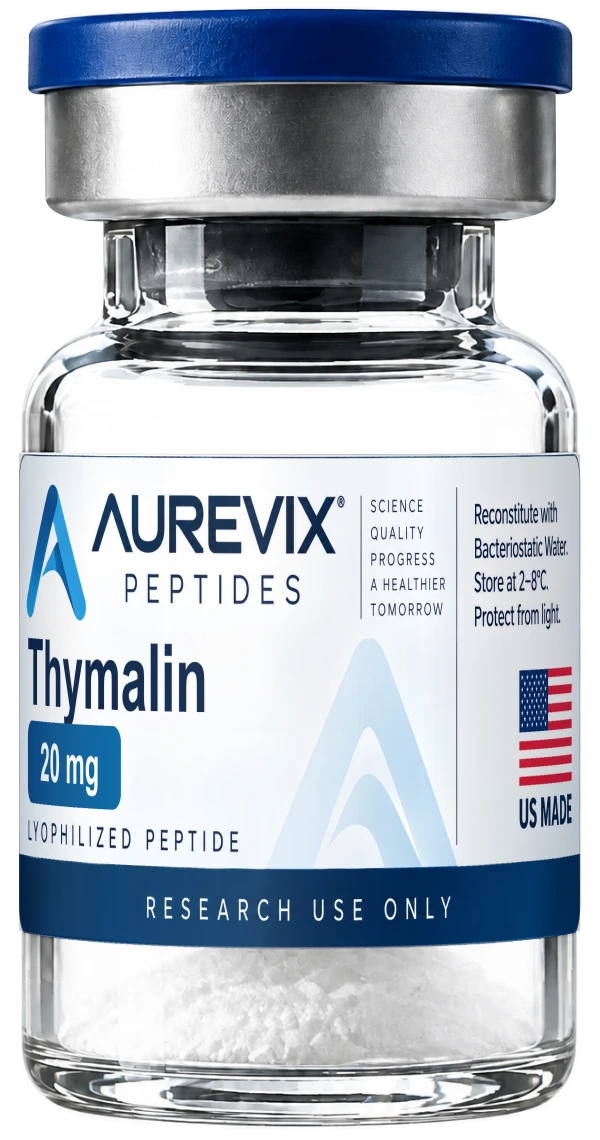
Thymalin is described in the research literature as a thymus-derived polypeptide complex. Studies examine its interactions with immune-cell development and differentiation, including T-lymphocyte markers and hematopoietic cell cultures.
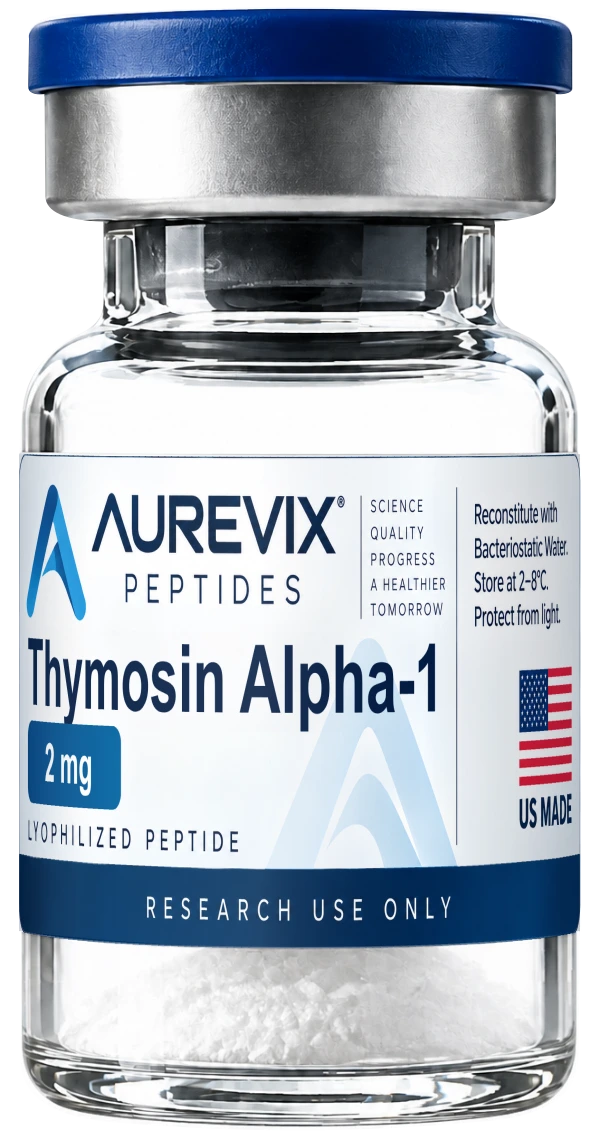
A thymus-derived synthetic peptide for research into immune modulation, antiviral defense and inflammation support.
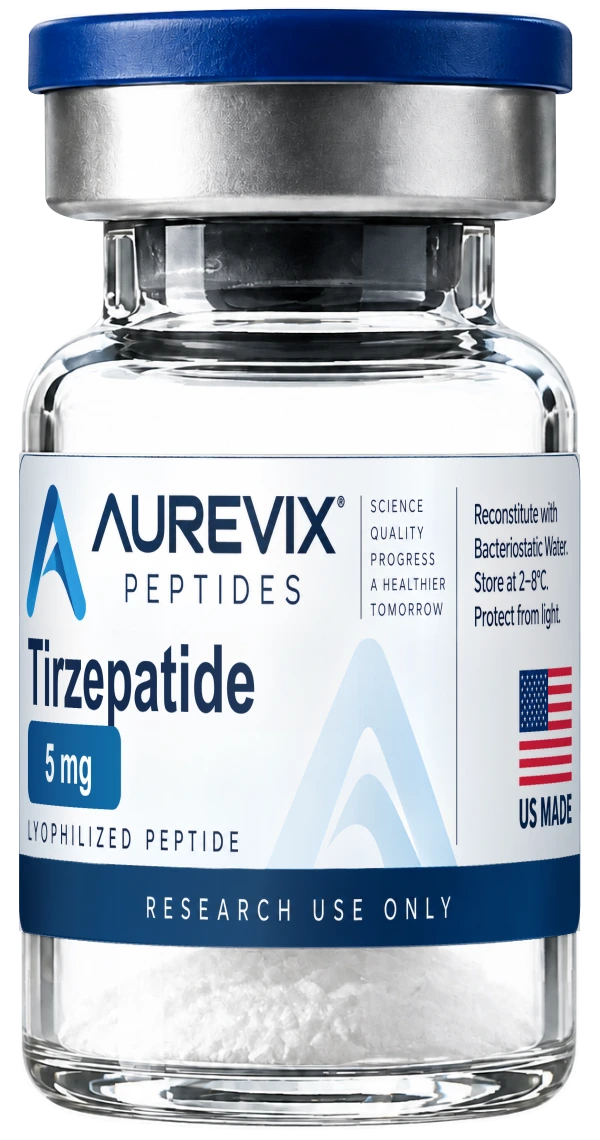
A dual GIP and GLP-1 receptor agonist for research into appetite regulation, blood-sugar balance, insulin sensitivity and body composition.
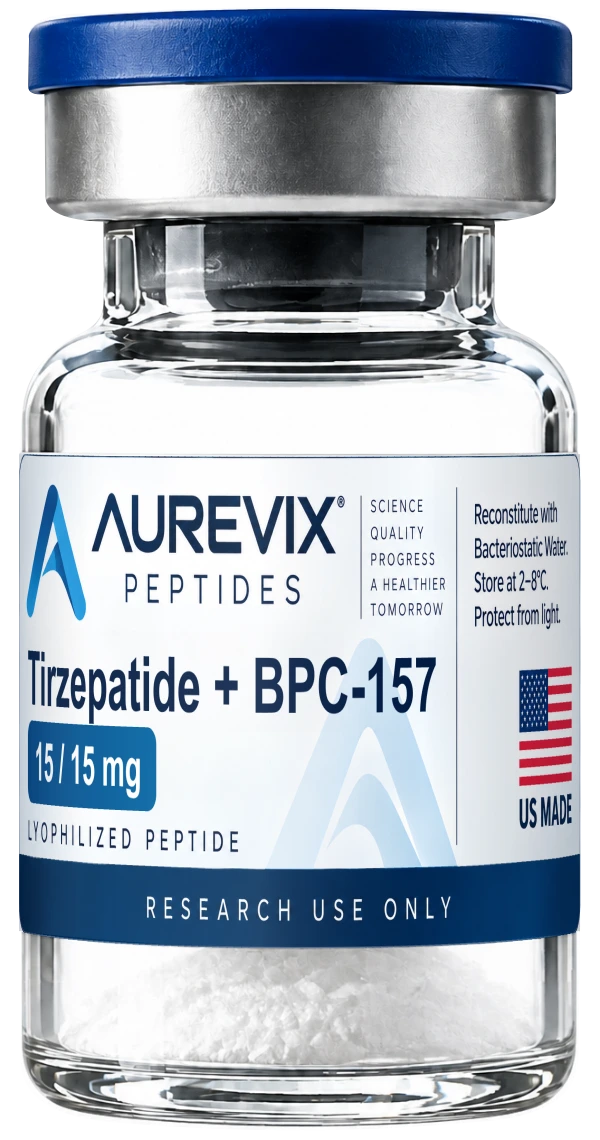
Tirzepatide and BPC-157 in a research blend spanning dual-incretin signaling, metabolic regulation and tissue-response pathways.
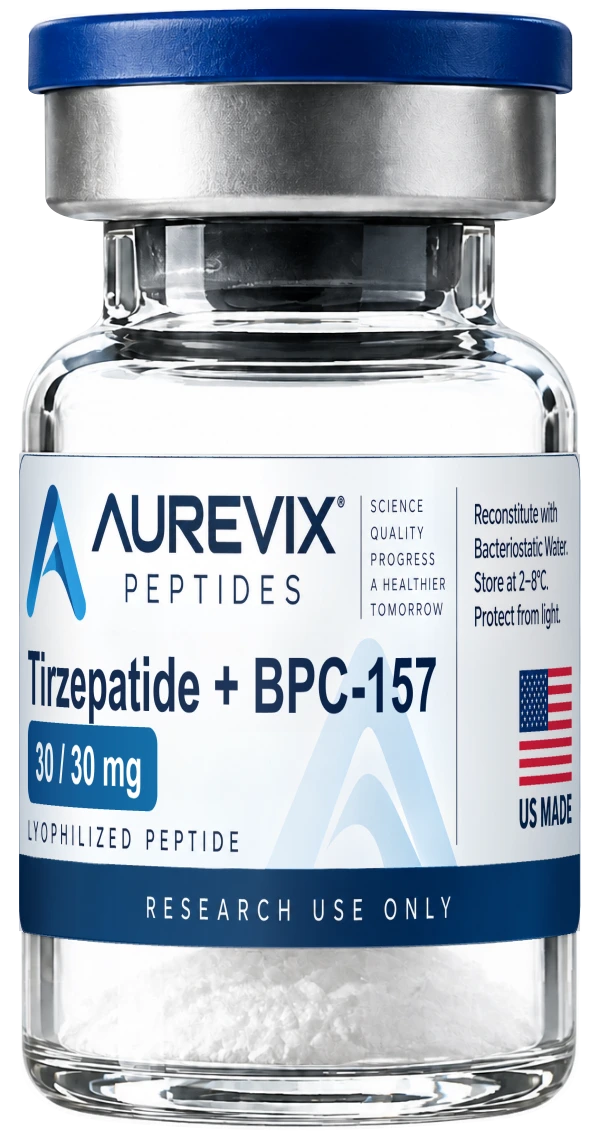
Tirzepatide and BPC-157 in a research blend spanning dual-incretin signaling, metabolic regulation and tissue-response pathways.
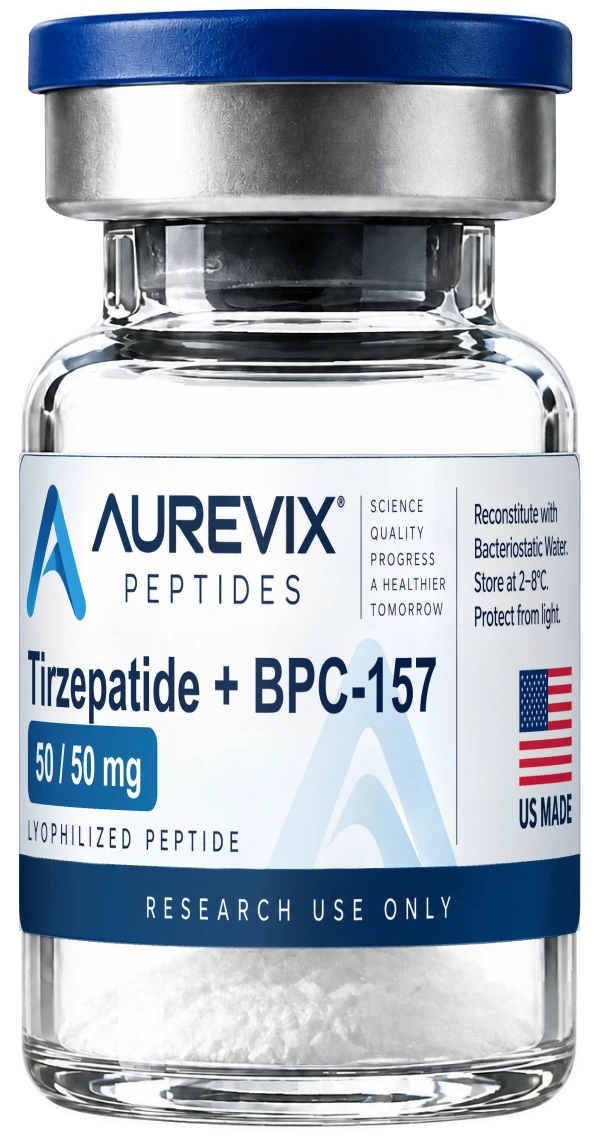
Tirzepatide and BPC-157 in a research blend spanning dual-incretin signaling, metabolic regulation and tissue-response pathways.
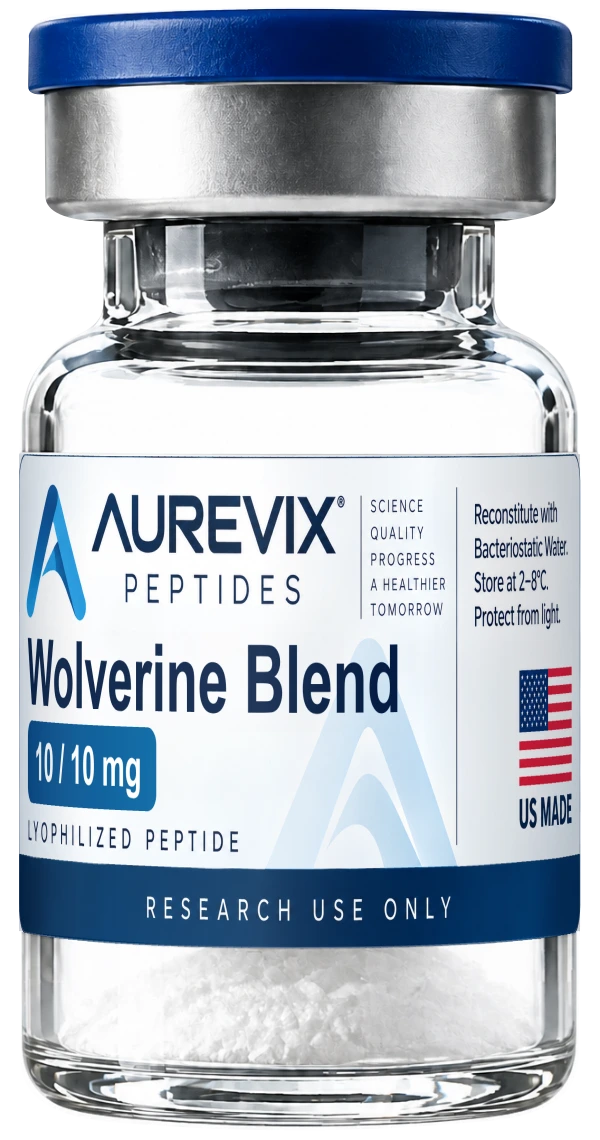
A BPC-157 and TB-500 blend for research into tissue and tendon repair, recovery and inflammation support.
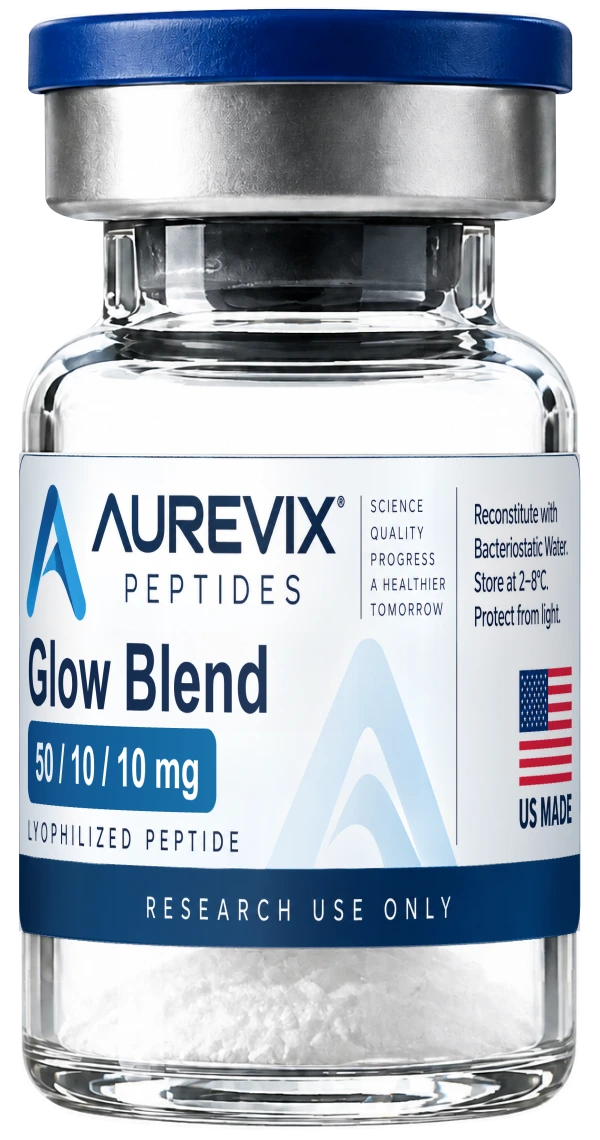
A BPC-157, TB-500 and GHK-Cu blend for research into tissue repair, collagen synthesis, skin tone and hair support.
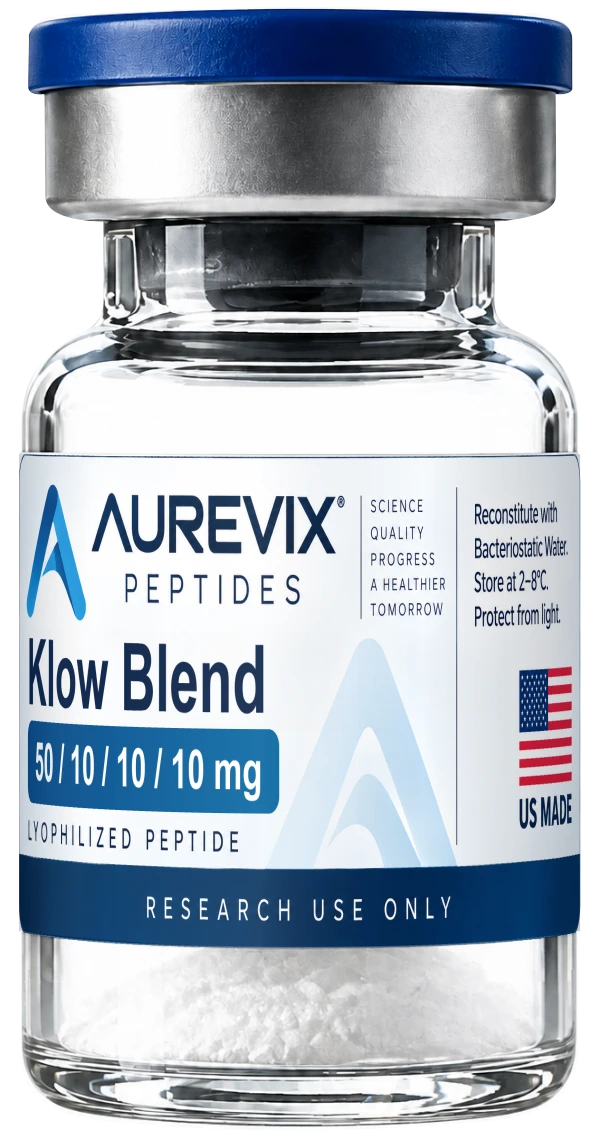
A BPC-157, TB-500, GHK-Cu and KPV blend for research into tissue recovery, collagen and skin support, and gut-related immune modulation.
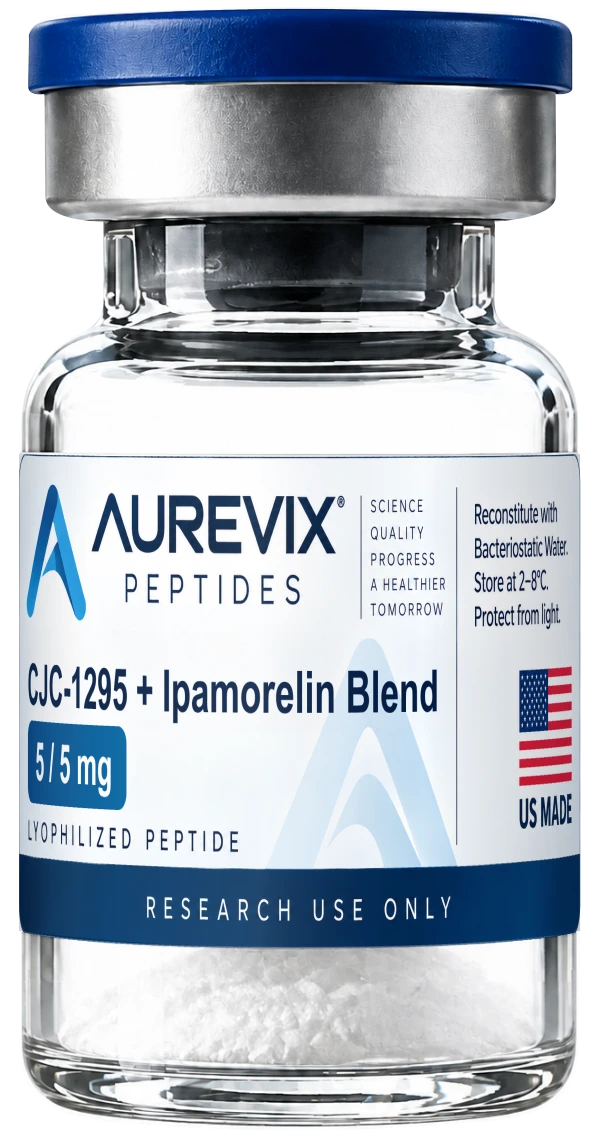
A CJC-1295 and Ipamorelin blend for research into endogenous growth-hormone release, collagen support and tissue repair.
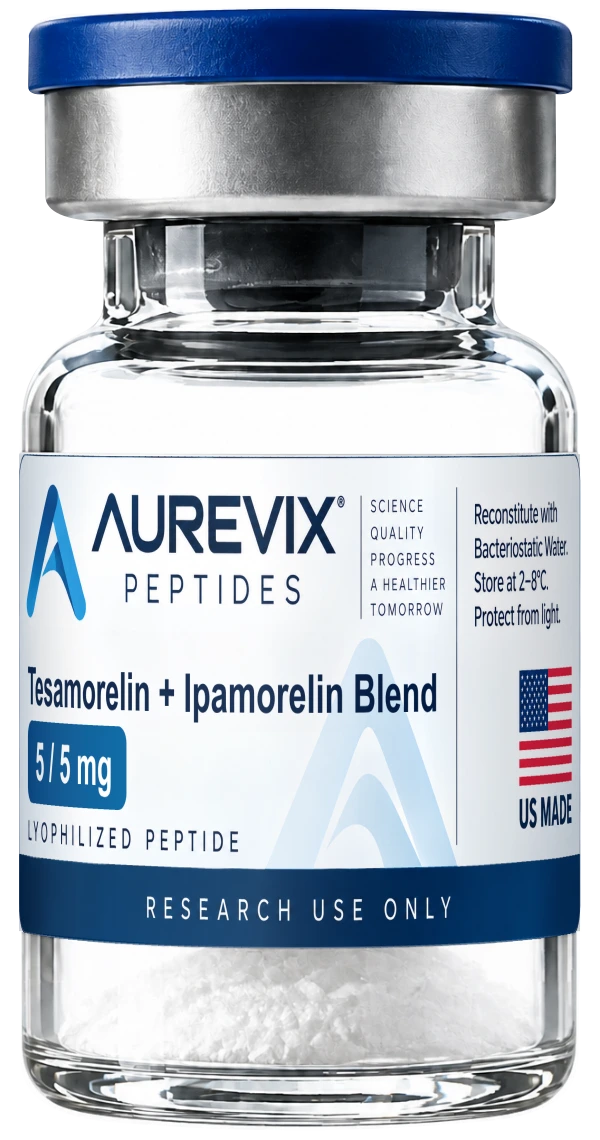
A Tesamorelin and Ipamorelin blend for research into matched growth-hormone pulses.